With plenty of people heading out on the trails, we teamed up with Jess Duffield, current leader of the Welsh XC Series, for a quick chat about mountain bike setup.
Jess joined us to share five simple checks that can make a big difference before a ride or race. Nothing too complicated. Just the sort of stuff that helps keep the bike feeling right, avoids avoidable faff, and gives you one less thing to worry about when the trail points downhill.
Even better, we’re also giving riders the chance to win an Uplift Day for 2 at BikePark Wales, so once you’ve picked up Jess’s tips, make sure you enter the competition too.
A big thanks to Jess for helping us put this together!

Get your tyre pressure right
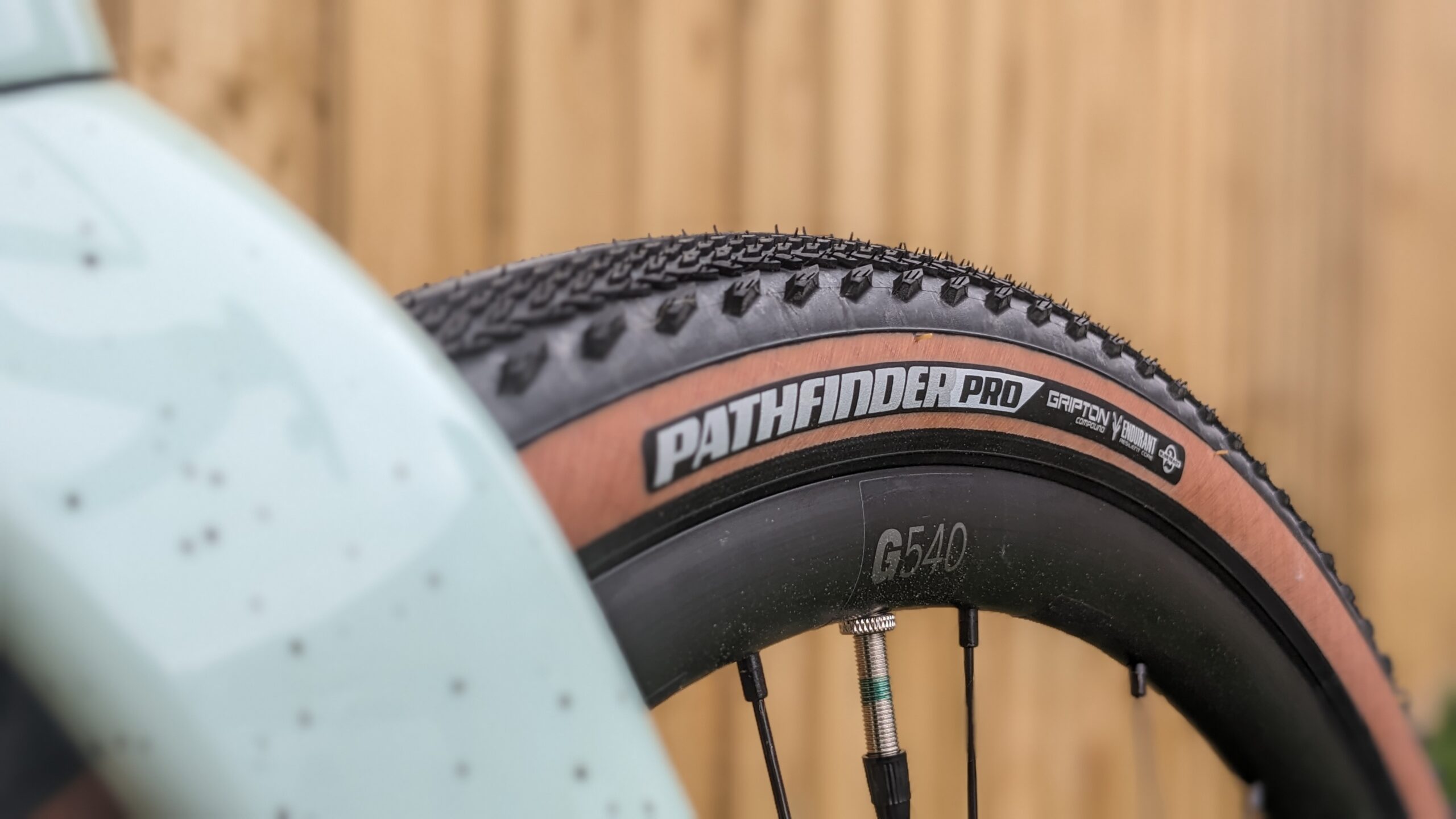
Tyre pressure can completely change how your bike feels.
Too much pressure and the bike can feel harsh, skittish and less grippy, especially on loose or rooty trails. Too little and you risk pinch flats, rim strikes or the tyre squirming around when you push into corners.
There is no perfect number for everyone. It depends on your weight, tyre size, riding style, conditions and terrain. A muddy Welsh woodland ride will probably need a different set-up to a dry, rocky XC course.
Jess’s tip is simple: think about where you’re riding, then adjust your pressure to suit. A small change can make a surprisingly big difference.
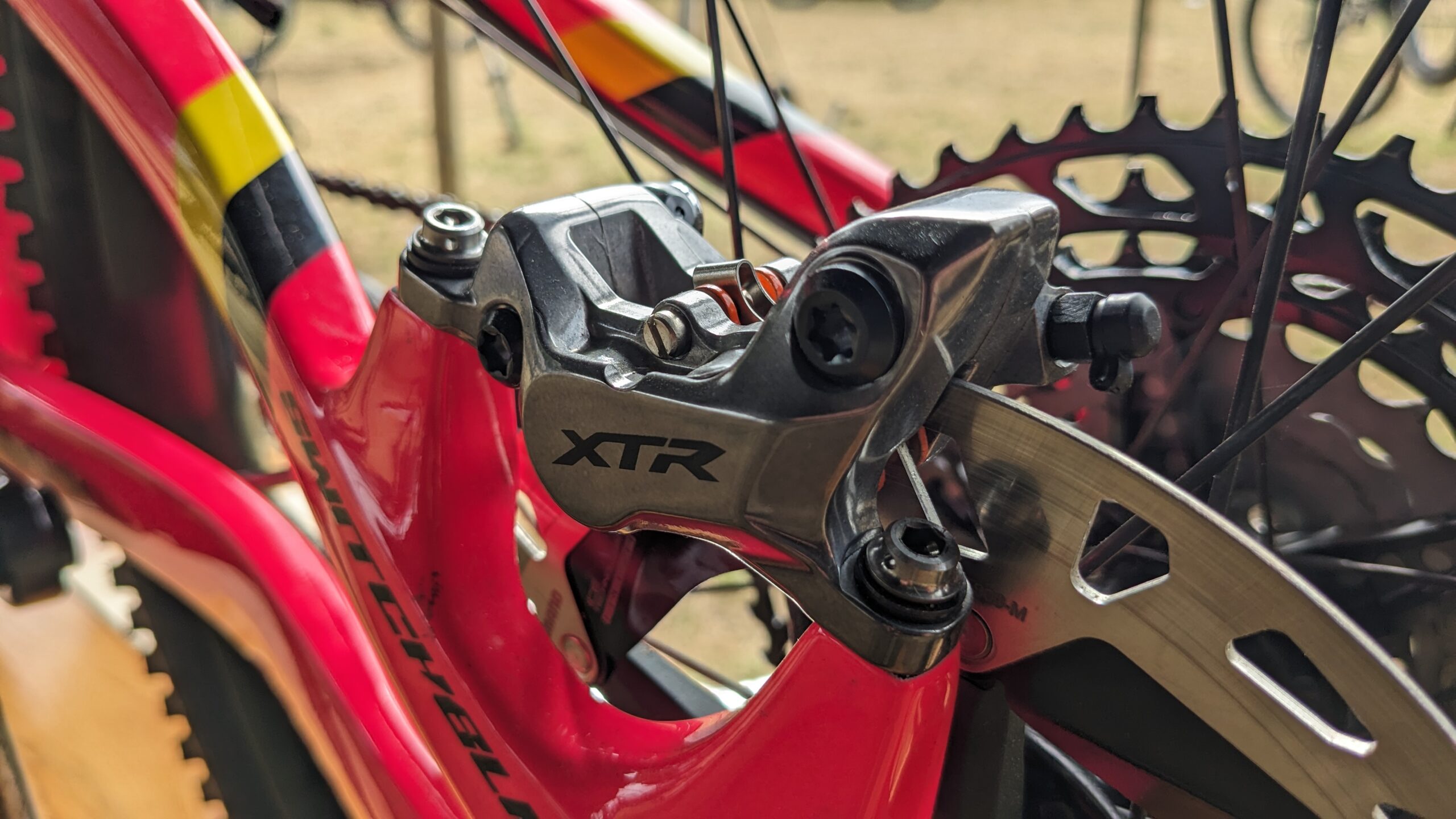
Check your brakes
Brakes are quite important!
Before heading out, check your brake pads have enough life left in them. Worn pads can reduce stopping power and make the bike feel less controlled, which is not ideal when you’re dropping into something steep.
The second check is making sure the brakes aren’t rubbing. Spin each wheel and listen for any scraping. A little rub might not sound dramatic, but over a ride it can slow you down, waste energy and generally make the bike feel a bit off.
Good pads, no rubbing, happy rider.
Do an “M” check
An M check is a quick way to inspect your bike by following an “M” shape from front to back.
Start at the front wheel, then move up to the handlebars, down to the bottom bracket and cranks, up to the saddle and finally down to the rear wheel. As you go, check the key bolts and parts are secure.
That means things like:
Front wheel and axle
Handlebars, stem and headset
Cranks and pedals
Saddle and seatpost
Rear wheel and axle
It only takes a couple of minutes, but it can help spot loose bolts or small issues before they become ride-ending problems. Nobody wants their saddle making a bid for freedom halfway round a course.
View this post on Instagram
Charge your electronic bits
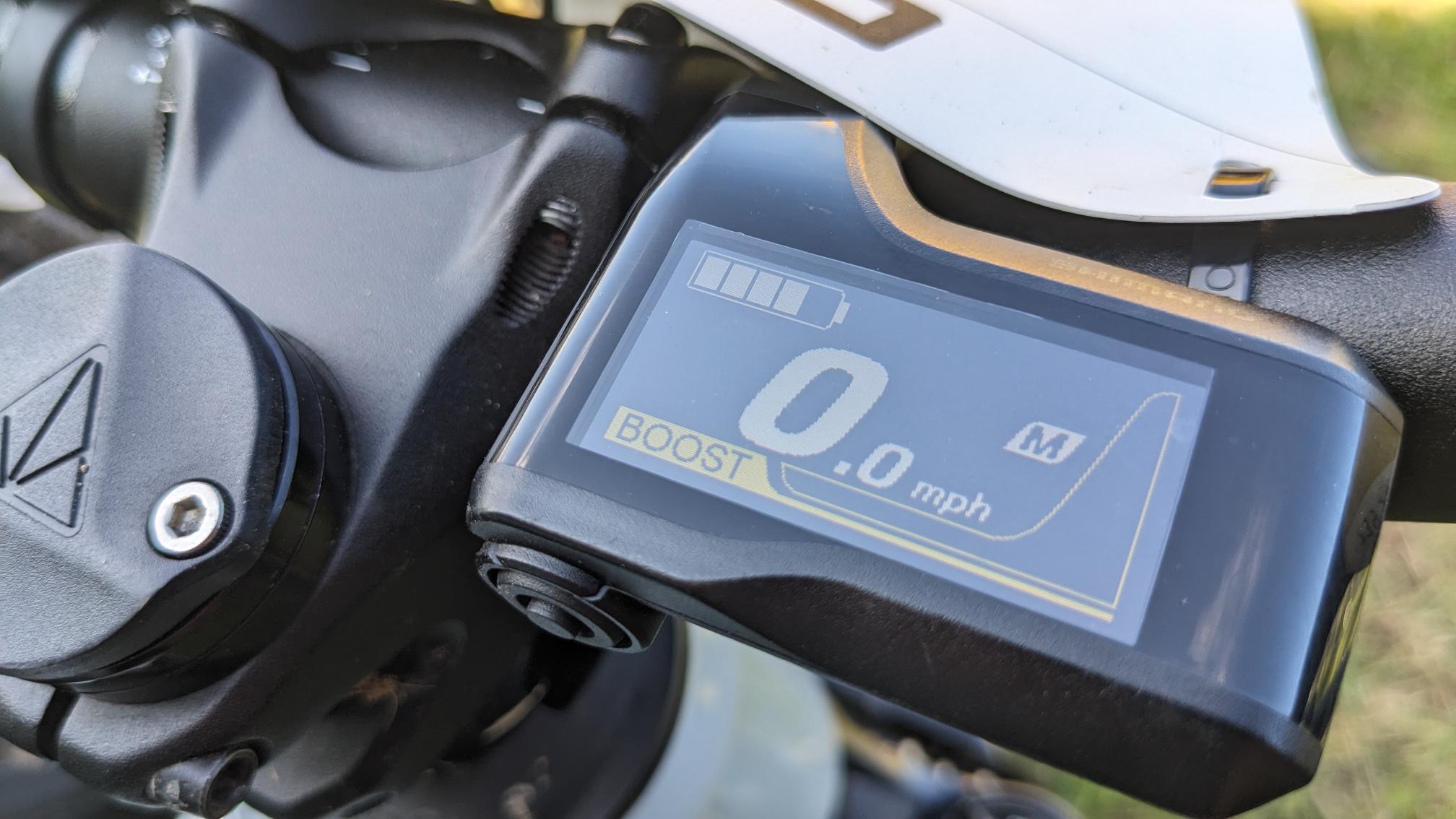
If your bike has electronic gears, a wireless dropper, a bike computer, lights or any other battery-powered parts, make sure they’re charged before you ride.
It sounds obvious, but it’s very easy to forget until you’re stood at the trailhead wondering why your gears have gone on strike.
A quick charge check the night before can save a lot of hassle. Especially if you’re racing, travelling to an event, or heading somewhere remote.
Know the course and dial in your suspension
Jess’s final tip is all about knowing what you’re riding.
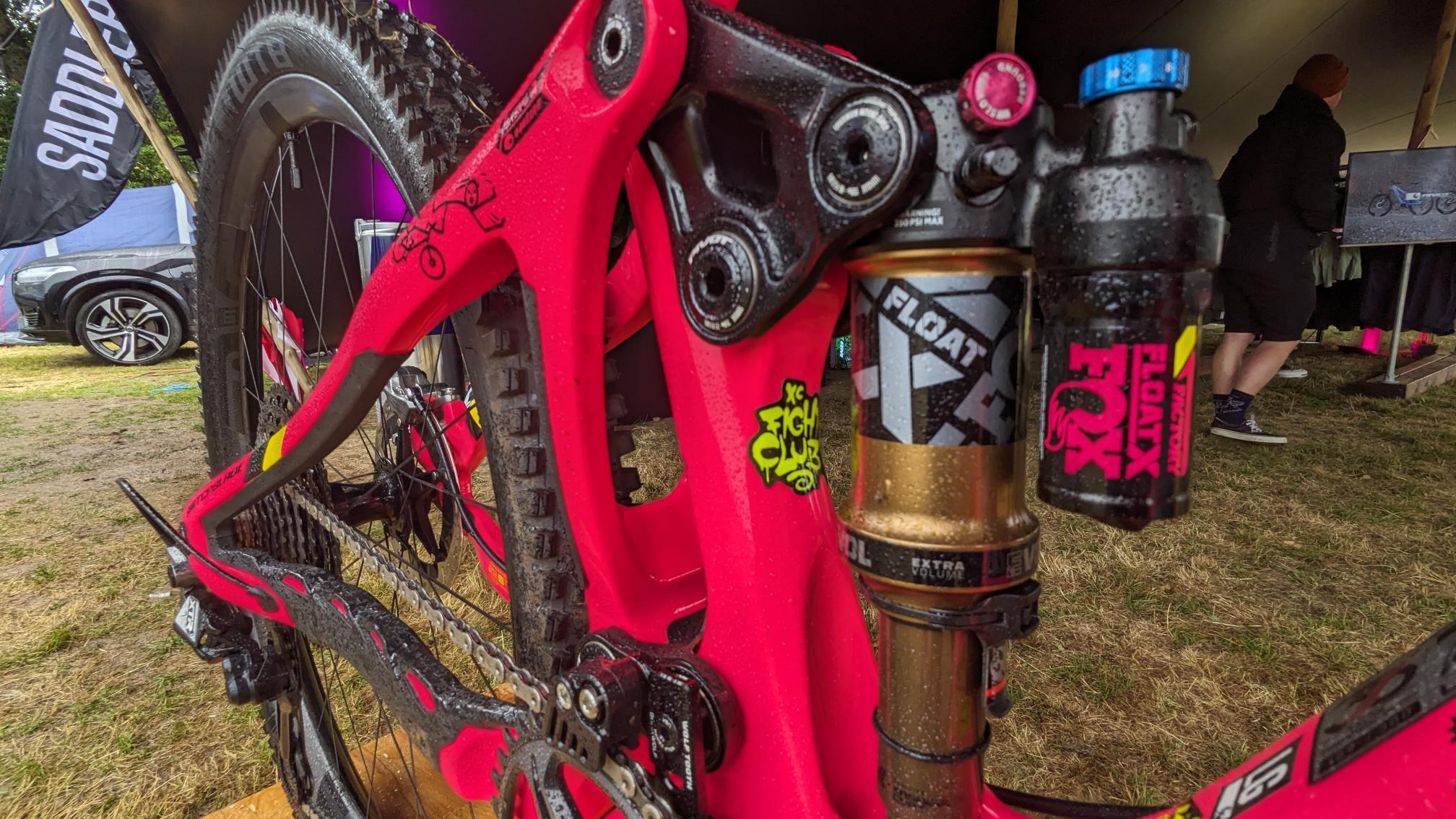
If the course is fast and smooth, your suspension set-up might be different to a technical route full of roots, rocks, drops and rough sections. The more you know about the terrain, the better you can set your bike up for it.
That could mean adjusting pressure, rebound, compression, or simply making sure your sag is in the right ballpark before you start.
You don’t need to turn into a full World Cup mechanic. Just take a bit of time to understand the course, then make small adjustments so the bike feels balanced and controlled.
Thanks Jess!
Thanks again to Jess Duffield for sharing her tips, and to Beicio Cymru for supporting the video. Whether you’re racing XC, heading out for a trail centre lap, or just trying to get more confident on the bike, these little checks are well worth building into your routine.
Tyres, brakes, bolts, batteries and suspension. Five quick things. Much fewer excuses.
Did you know…
Beicio Cymru members receive an exclusive 15% discount on all Pedal Cover policies, with cover available for bike collections valued up to £50,000!