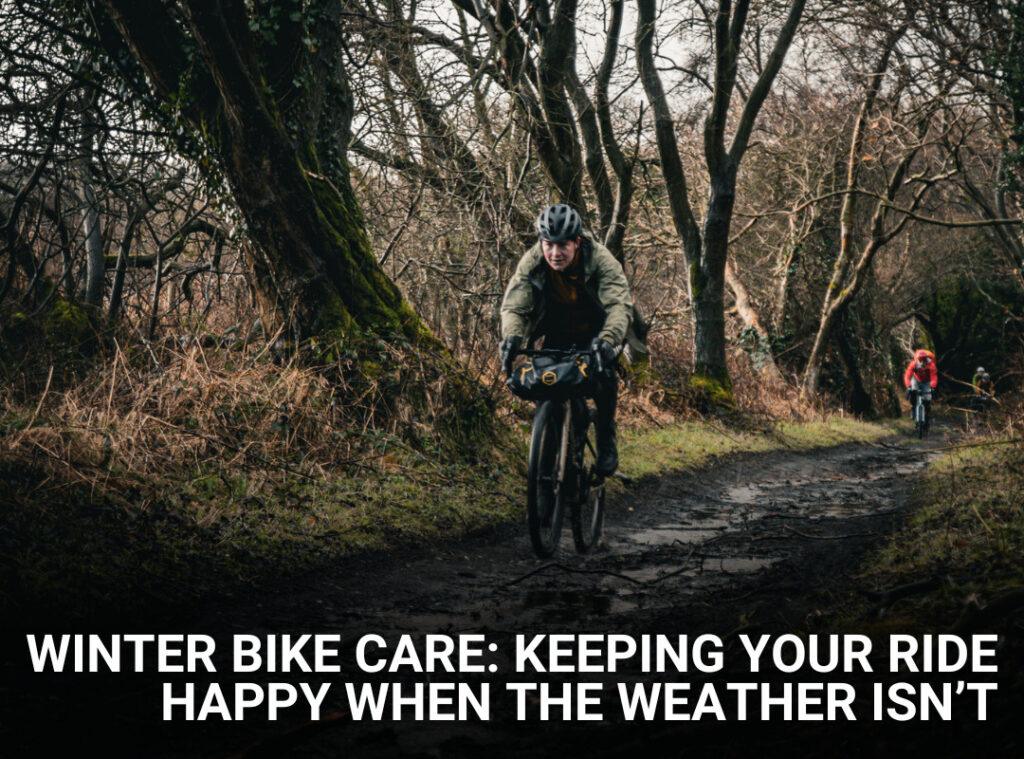
Winter riding is rewarding — but it’s hard on bikes. Wet roads, grit, mud and road salt accelerate wear across your drivetrain, bearings and braking system. The difference between a smooth spring transition and an expensive overhaul often comes down to maintenance.
Whether you ride year-round or keep a winter bike separate from your summer machine, here are the essential tools that make winter bike maintenance faster, safer and more effective.
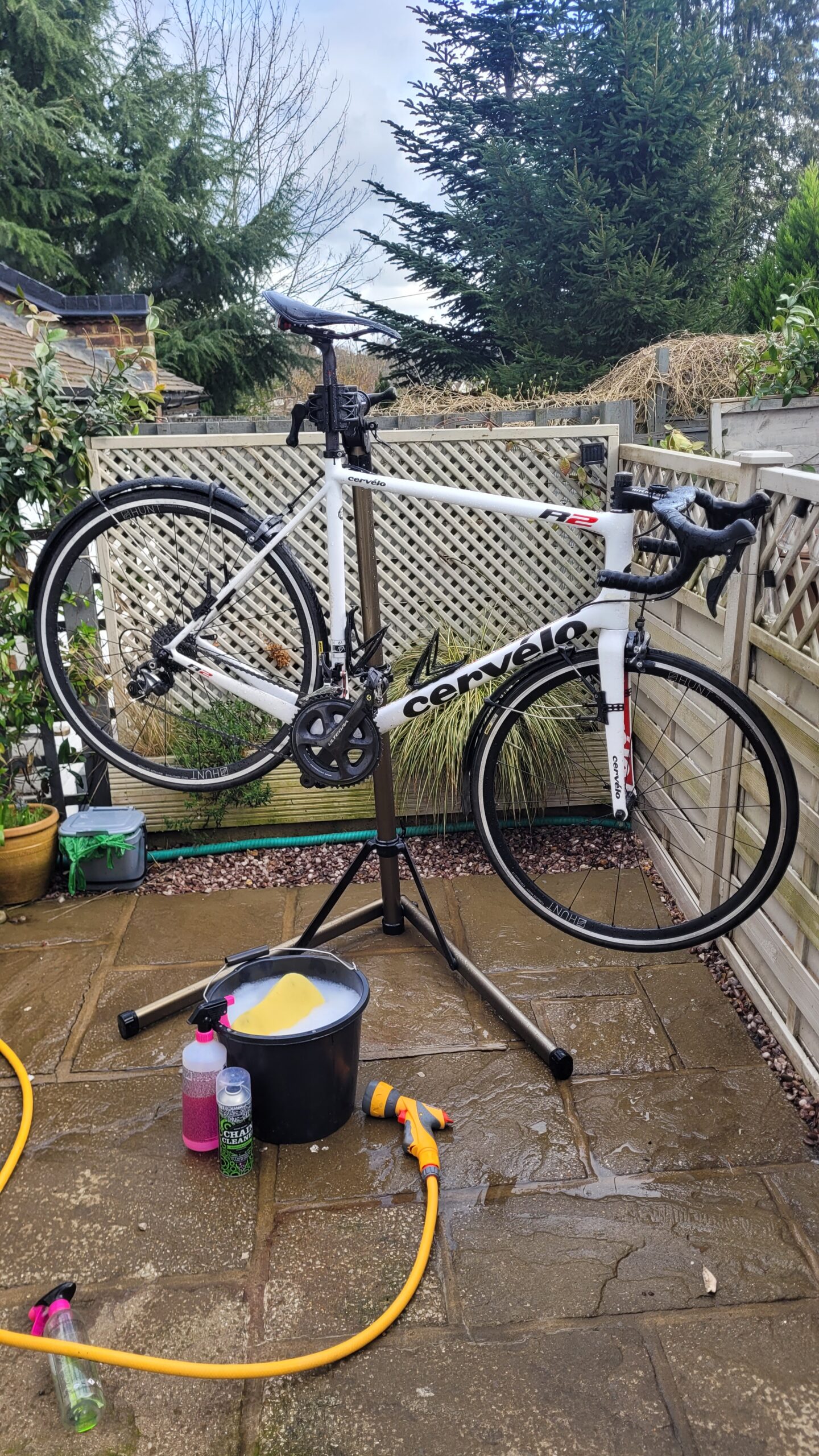
Cleaning kit (your first line of defence)
After every wet ride, your drivetrain deserves attention. At minimum, you should remove road grit and re-lubricate your chain.
- Bucket and warm water
- Microfibre or wool wash mitt (avoid sponges — they cause swirl marks)
- Chain brush or old kitchen brush
- Quality degreaser
- Bike-specific lubricant
Simple winter clean routine:
- Rinse off heavy mud (avoid pressure washing bearings or e-bike motors)
- Degrease chain and cassette
- Wash frame and components
- Rinse gently
- Dry thoroughly
- Re-lubricate chain
- Apply frame protection spray
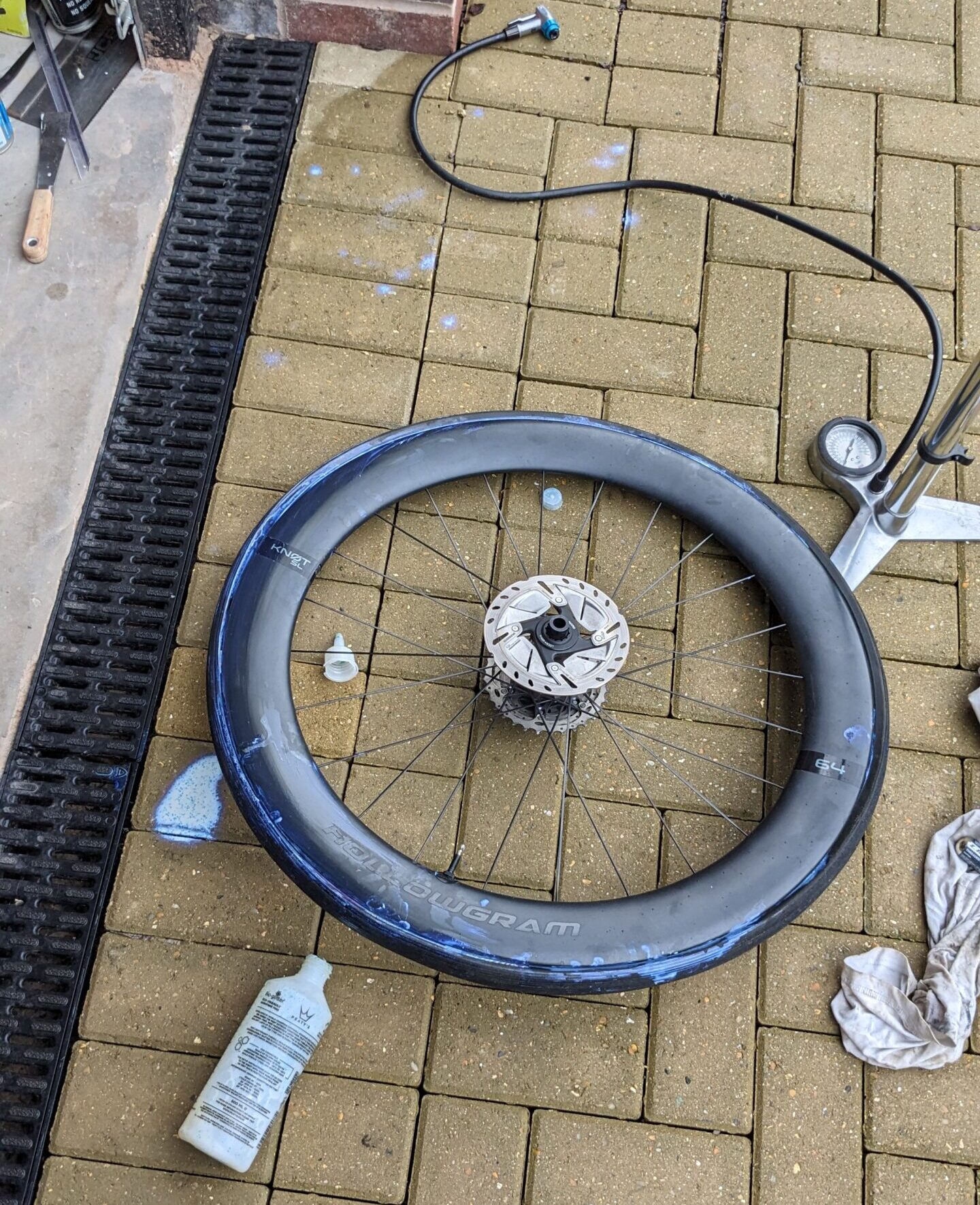
Tubeless valve core tool
Sealant dries out over time — especially in winter temperature swings. A valve core tool allows you to remove the Presta core quickly and top up sealant without unseating the tyre.
Hex & Torx set
Most components rely on hex or Torx bolts. Invest in quality tools — poorly made keys round bolts and create bigger problems. T-bar styles provide excellent leverage and reach.
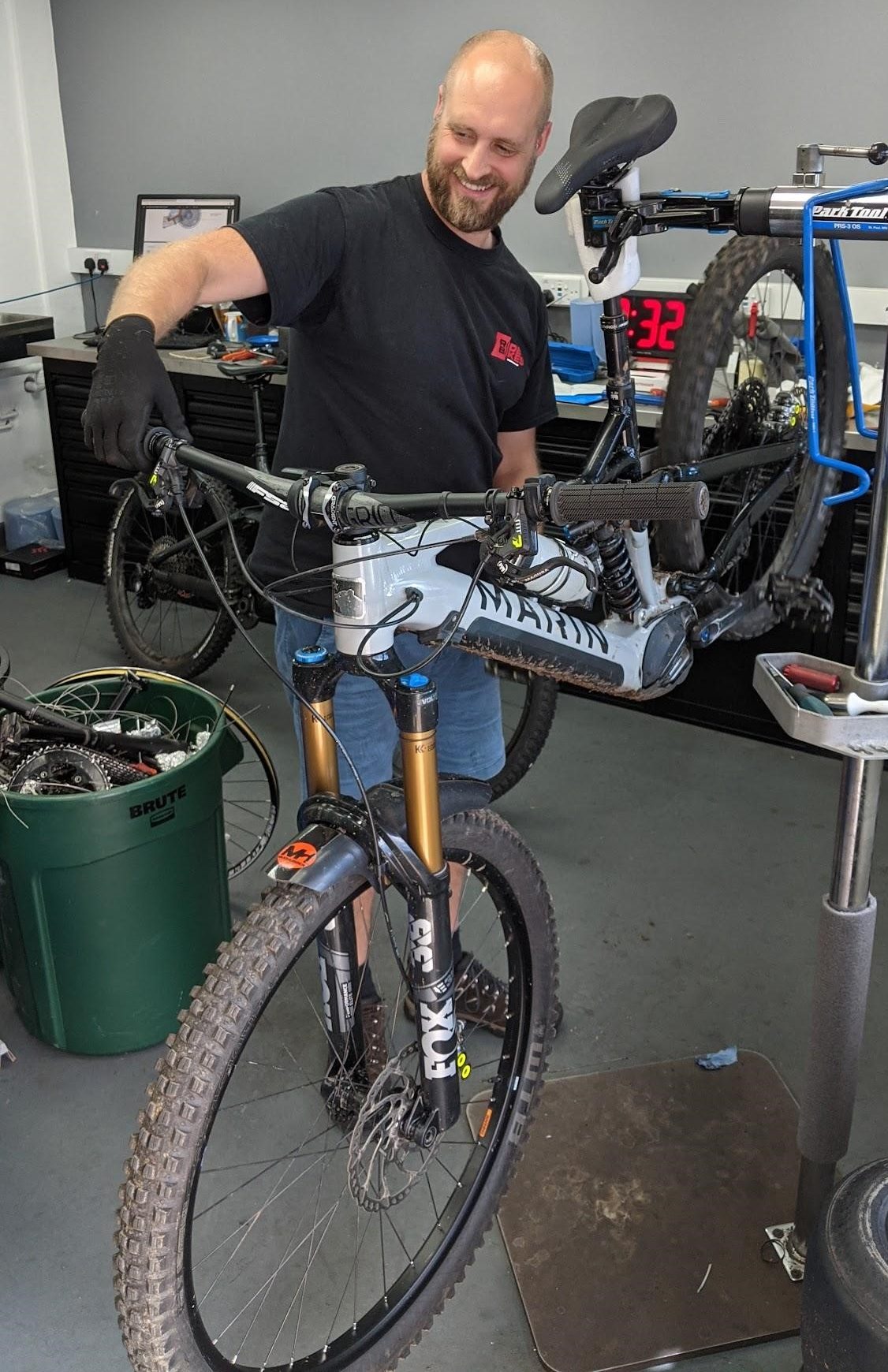
Bike stand
A bike stand transforms maintenance. Stable positioning improves cleaning, inspection and component work — and protects your frame from awkward leaning.
Hydraulic bleed kit
Hydraulic brakes should be serviced at least annually. Bleeding restores lever feel and braking consistency. If you’re unsure, this is one job worth leaving to a professional mechanic.
Track pump (with booster for tubeless)
A workshop track pump ensures accurate tyre pressures — critical in winter when conditions vary. For tubeless setups, a pump with an air chamber or an external booster (e.g. Airshot) makes tyre seating far easier.
Chain wear tool
Chains wear gradually. Replacing a chain early protects your cassette and chainrings. Use a wear indicator regularly.
Read our full guide on when to replace a bicycle chain.
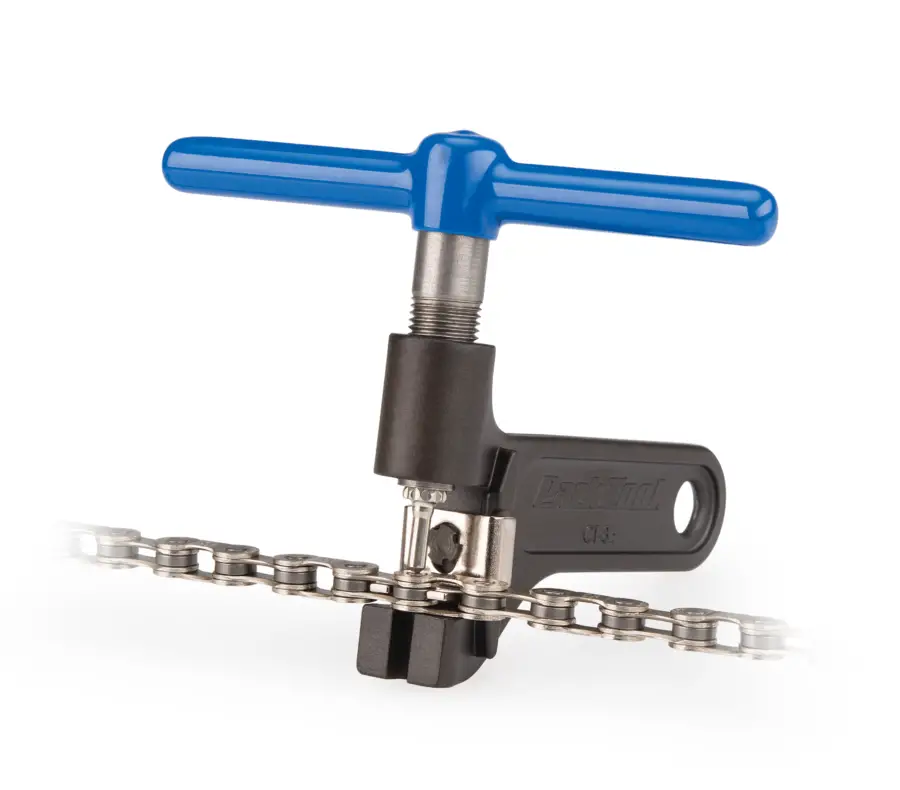
Chain breaker
A proper workshop chain tool offers better leverage and precision than a multi-tool version. It makes chain replacement and sizing straightforward.
Cassette tool and chain whip
Removing your cassette periodically allows for deep cleaning and freehub inspection. A cassette lockring tool and chain whip are essential.
Chain pliers
Master link pliers simplify removing and reinstalling quick links. They reduce frustration and prevent damaged links.
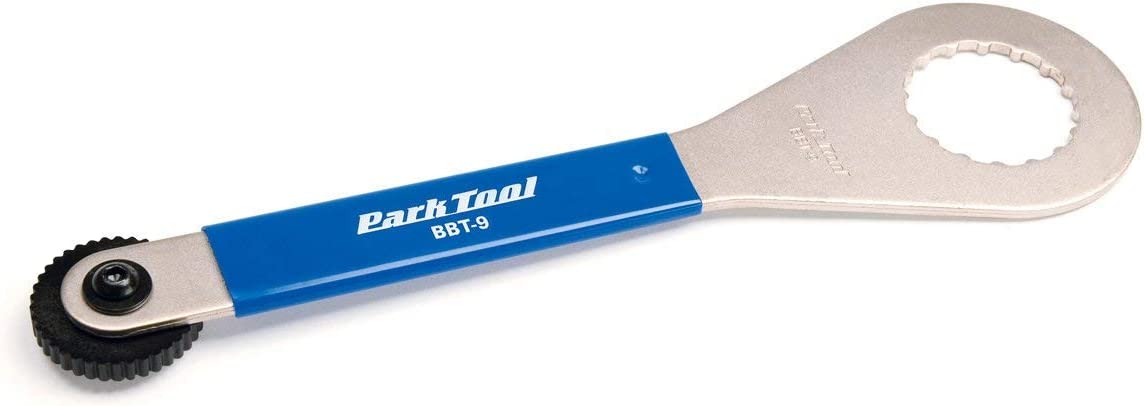
Bottom bracket tool
Modern BB standards vary widely. Always use the correct tool for your specific bottom bracket. Winter grime accelerates wear in this area.
Torque wrench
Modern bikes require precise torque settings. Over-tightening can damage carbon components or void warranties. A torque wrench ensures manufacturer specifications are followed.
Maintenance protects performance — protection protects investment
Winter care extends component life, but theft and accidental damage can still happen.
Many cyclists think about protection in layers.
Bicycle insurance or appropriate home insurance for bikes can help protect against theft and accidental damage, whether your bike is stored at home, in a shed, or locked out and about.
Always check the policy wording and what’s included or excluded before you buy.
Learn more about bicycle insurance | Home insurance for cyclists
FAQs: Winter bike maintenance
How often should I clean my bike in winter?
After every wet or gritty ride. At minimum, clean and lubricate the drivetrain.
How often should hydraulic brakes be bled?
At least once every 12 months, or sooner if performance declines.
When should I replace my chain?
When a chain wear tool indicates stretch beyond recommended tolerance. Replacing early protects the cassette.
Do I need a torque wrench for bike maintenance?
Yes, especially for carbon components and modern lightweight parts.
Is winter riding bad for my bike?
Winter conditions accelerate wear, but regular maintenance significantly reduces long-term damage.