Cycling is a fantastic, low-impact sport that benefits both body and mind. Yet, as your mileage increases, so can the risk of discomfort and injury. The good news? Many common cycling injuries are preventable with the right approach to bike fit, equipment, and self-care.
Knee Issues
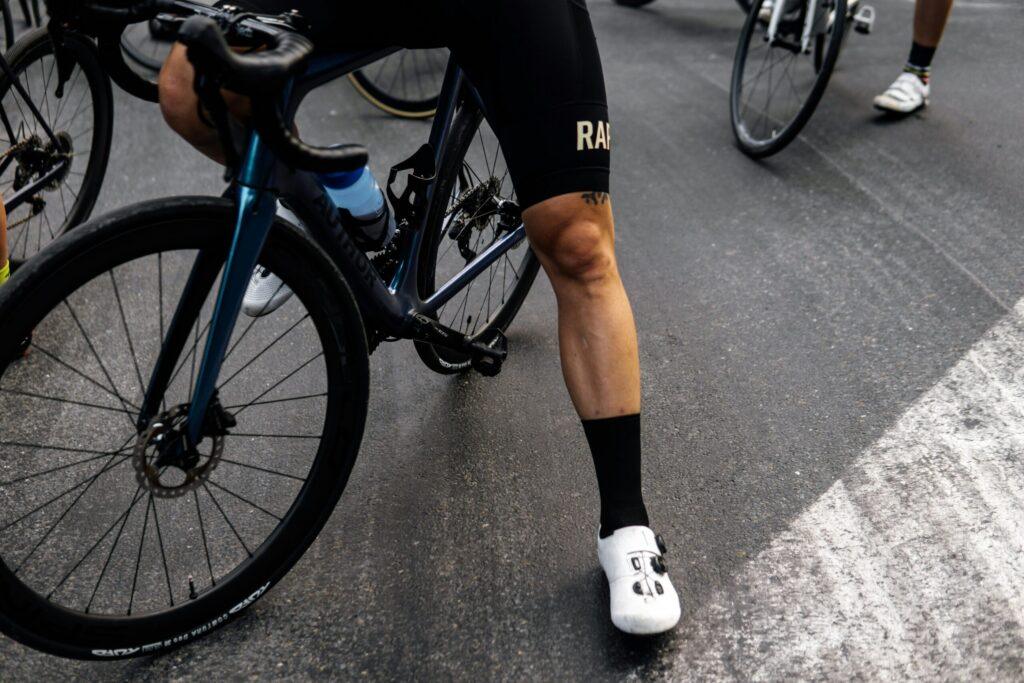
Knee pain is one of the most common complaints among cyclists. Causes often include:
- Worn or misaligned cleats, leading to poor foot positioning
- Incorrect cleat position, forcing unnatural pedaling motion
- Crank arms that are too long, increasing knee and hip strain
- Saddle height set too high, causing overextension and hip rocking
- Tight hip flexors and poor muscle flexibility in the hips, quads, and hamstrings
Addressing these factors—through regular equipment checks, proper bike fit, and flexibility exercises—can help prevent knee pain before it starts.
Tight Shoulders and Neck
Neck and shoulder pain often result from too much weight on the handlebars or an aggressive riding position. If your reach is too long, your saddle is angled downward, or your handlebars are set too low, you may experience discomfort in your upper body.
Try this: while riding, briefly take your hands off the bars (on a safe, flat surface). If you slide forward, adjust your saddle nose up slightly. A balanced position reduces stress on your wrists and neck. Remember, a low handlebar position may look fast but can strain your neck and upper back over time.

Saddle Sores
Saddle sores can affect any cyclist, regardless of experience. They’re caused by friction, pressure, heat, moisture, and sometimes bacteria. If left untreated, saddle sores can force you off the bike and may lead to further issues if you compensate with poor posture.
Prevention tips:
- Use a well-fitted saddle and quality cycling shorts
- Apply chamois cream to reduce friction and bacteria
- Change out of shorts promptly and wash after every ride
- Minimize hair removal to avoid ingrown hairs
If a sore develops, keep the area clean, dry, and avoid pressure. In severe cases, topical creams may help, but consult a specialist if problems persist.
MTB Knee and Hand Trauma
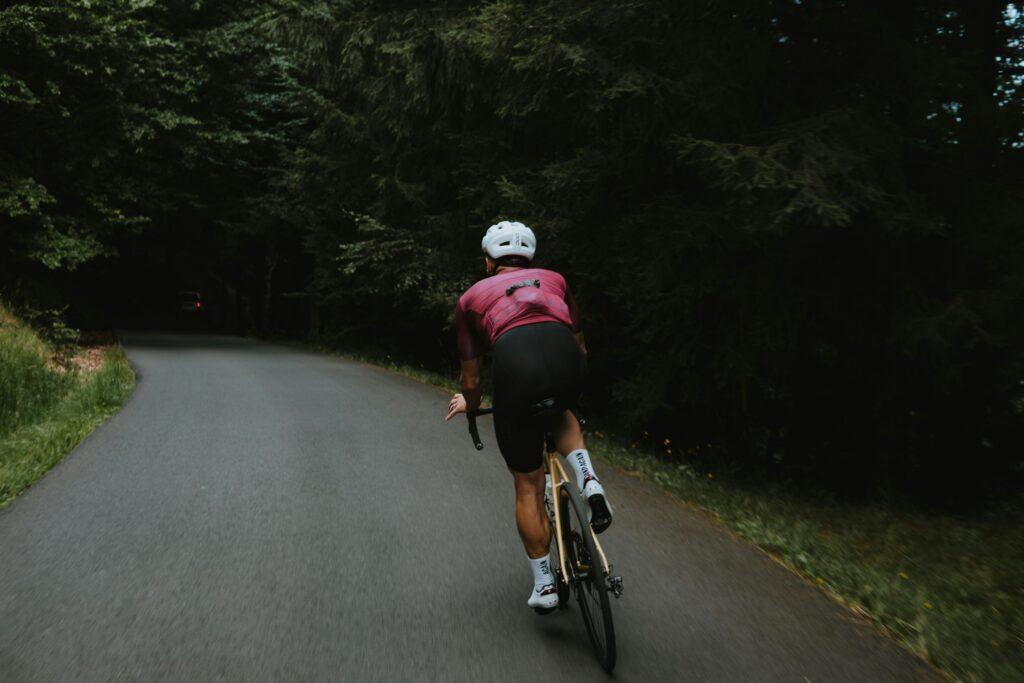
Mountain bikers face unique risks, especially to knees and hands. Protective gear like helmets, gloves, and knee or shin pads can make a significant difference. Modern pads offer protection without restricting movement. Always wash your gloves and pads regularly to keep them fresh.

Hot Foot
‘Hot foot’ is a burning pain in the ball of the foot, often caused by nerve compression from tight shoes or prolonged pressure. Swollen feet in summer may require wider or looser shoes. If you experience this, consider switching to shoes with a roomier toe box and better arch support.
Wrist Pain
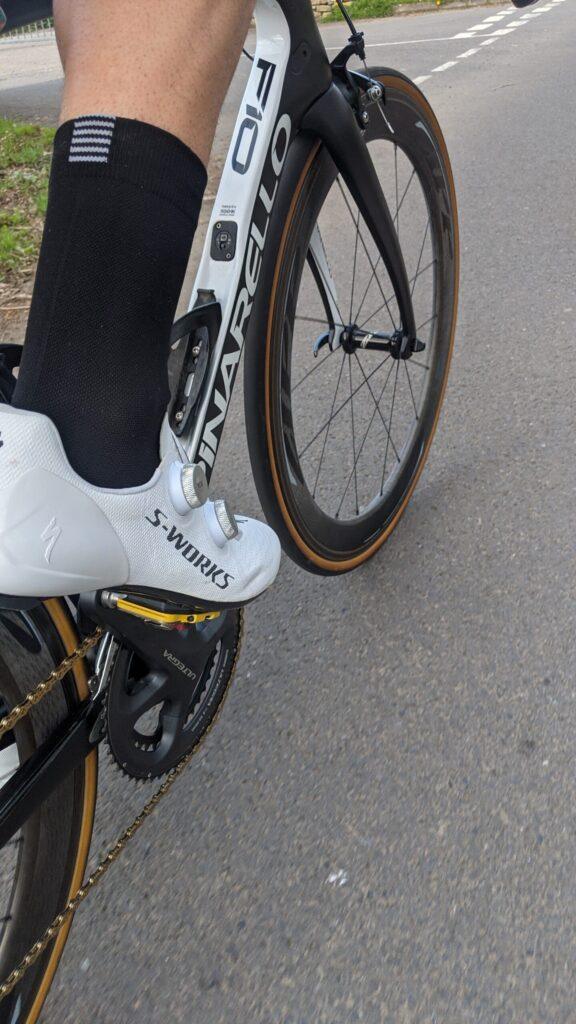
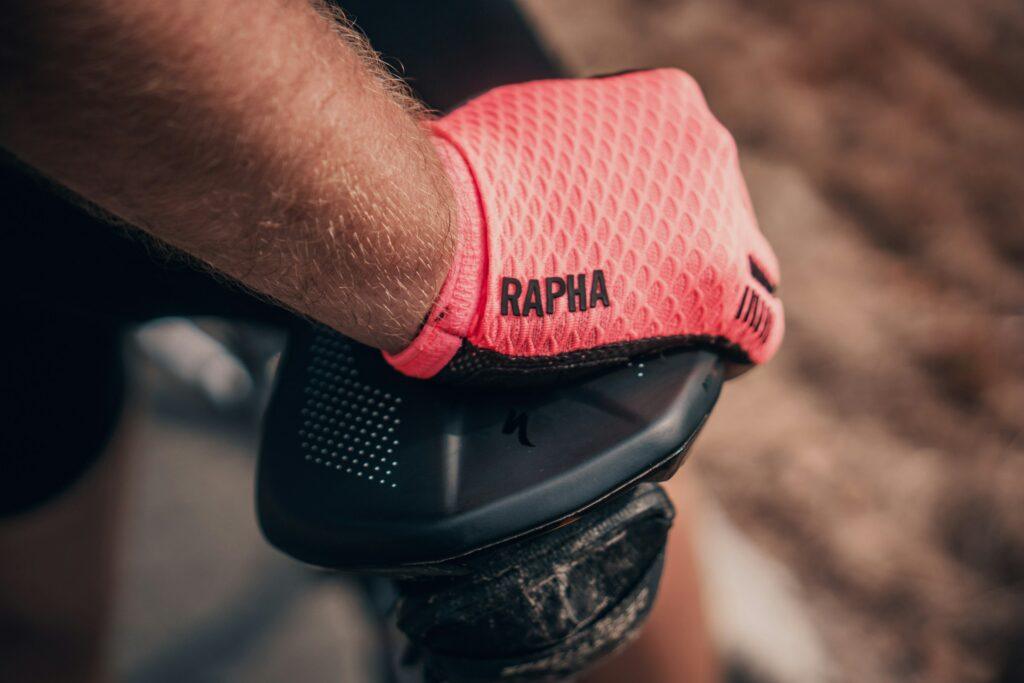
Wrist and hand pain is usually due to excessive pressure from poor bike fit or hand positioning. Too much weight on your hands can compress nerves, leading to numbness or tingling. Adjust your saddle angle, vary your hand positions, and avoid gripping the bars too tightly. Aero bars and rough terrain can also contribute to discomfort.
Lower Back Pain
Lower back pain is a frequent issue for cyclists, often resulting from poor bike fit, weak core muscles, or spending long hours in a fixed position. Symptoms can range from a dull ache to sharp pain, especially after longer rides. Prevention includes:
- Ensuring your bike is properly fitted to your body
- Strengthening your core and back muscles with off-bike exercises
- Maintaining good posture and flexibility
- Taking regular breaks to stretch during long rides
If lower back pain persists, consult a physiotherapist with experience in cycling injuries for tailored advice and rehabilitation.
Keep Your Body Moving
High-volume cycling can lead to repetitive strain and limited movement patterns. Incorporate extension exercises and stretching into your routine to reduce injury risk and keep your body balanced. A well-maintained bike and a flexible body are your best defenses against both pain and expensive physio bills.
Planning to keep riding strong and injury-free?
Bicycle insurance and home insurance for cyclists can help protect your cycling lifestyle, whether you’re at home or out on the road. Check your policy details to know exactly what’s included and excluded.
FAQs: Preventing Cycling Injuries
What is the most common cycling injury?
Knee pain is one of the most frequent issues, often caused by poor bike fit or overuse.
How can I prevent saddle sores?
Use a well-fitted saddle, quality shorts, chamois cream, and maintain good hygiene after rides.
Why do my hands go numb when cycling?
Numbness is usually due to excessive pressure on the hands or poor handlebar positioning. Adjust your fit and vary hand positions.
What should I do if I experience persistent pain?
If pain continues despite adjustments, consult a cycling-specific physiotherapist or medical professional.
How important is core strength for cyclists?
Strong core muscles help support your posture and reduce the risk of lower back pain and other overuse injuries.