The Vuelta a España may be the youngest of cycling’s three Grand Tours, but for many fans it’s the most exciting. Late-season racing, unpredictable form, punchy climbs, and tactical chaos combine to create three weeks that rarely follow a script.
Here are 21 reasons why the Vuelta might just be the best Grand Tour of them all.
1. Wacky races
The Vuelta embraces innovation. Short explosive mountain stages, gravel sectors, steep urban finishes — organisers are willing to experiment in ways the other Grand Tours rarely do.
2. Early summit finishes
There’s no waiting until week three for fireworks. General classification battles often begin in the first week, making the race aggressive from the outset.
3. No predictable rhythm
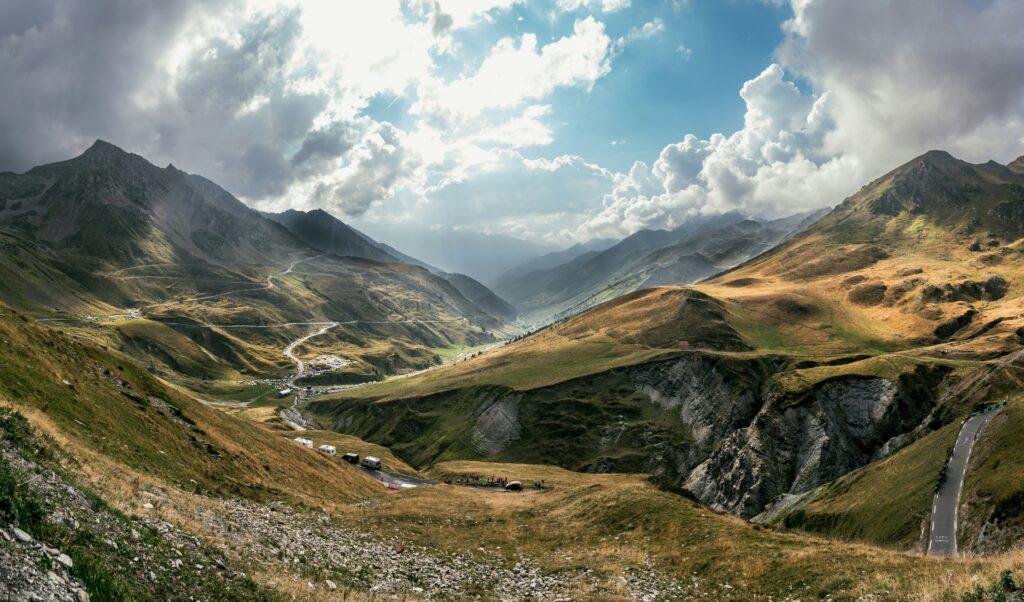
Mountain stages don’t follow a neat order. Brutal ramps can appear after descents, and summit finishes arrive unexpectedly.
4. It’s always up
Even “flat” stages in Spain tend to roll relentlessly. Pure sprint days are rare — and rarely straightforward.
5. Controlled chaos
The Vuelta’s reputation for slightly chaotic organisation adds to the theatre. It feels less polished — and sometimes more authentic.
6. Incentives vary
Some riders arrive chasing redemption. Others are building form. Others are finishing a long season. Motivation varies wildly — and that makes racing unpredictable.
7. Retakes
Underperforming favourites from earlier Grand Tours often return in search of redemption.
8. End-of-season edge
Late-season fatigue means favourites can crack at any moment. No one arrives with guaranteed dominance.
9. Sprinters off the bench
The Vuelta offers opportunities for sprinters who might not headline the Tour de France.
10. Neo-pro debuts
It’s a launchpad for young talent gaining their first Grand Tour experience.
11. GC graduation stage
Many future stars announce themselves at the Vuelta before dominating elsewhere.
12. Iconic Spanish climbs
From the Angliru to the Lagos de Covadonga, Spain’s brutally steep ascents are unique in character.
13. Less team control
The stranglehold often seen in other Grand Tours is less common. Breakaways survive more often.
14. Multiple podium contenders
There’s rarely a single overwhelming favourite.
15. Heaven for breakaways
The terrain invites attacking racing.
16. The least predictable
Form, fatigue, and tactics combine to make outcomes hard to forecast.
17. Edge-of-your-seat finales
Short, steep summit finishes produce explosive GC gaps.
18. Unique classifications
The Vuelta’s history of unusual jersey competitions added personality to the race.
19. Party atmosphere
Spanish roadside crowds bring colour, noise and late-summer energy.
20. Late-season legends
Established stars often treat the Vuelta as their final major statement of the year.
21. Storytelling race
The Vuelta consistently produces unlikely victories, breakout stars and redemption arcs.
Planning to ride in Spain?
Many fans combine watching the Vuelta with riding Spain’s famous climbs themselves.
If you’re travelling with your own bike, it’s important to understand that there are two different types of cover you might need.
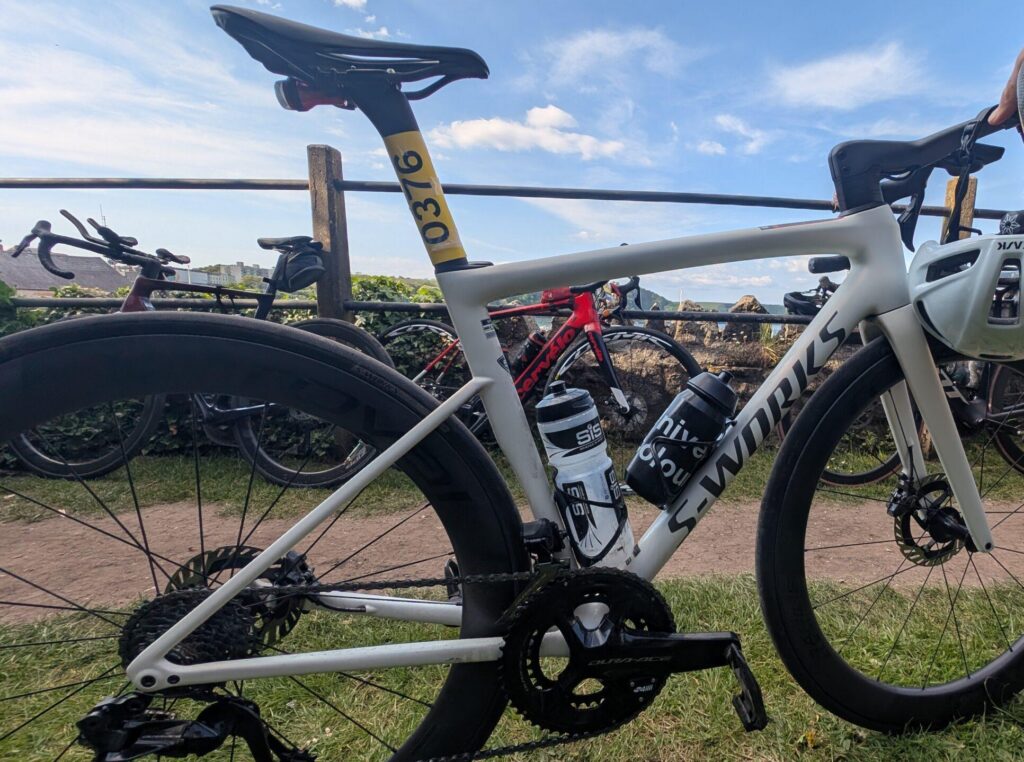
First, protection for the bike itself (for example theft or accidental damage). With Pedal Cover, you can insure your bike in two ways: either through dedicated bicycle insurance, or as part of our home insurance for cyclists.
Second, a separate travel insurance for cycling which protects you as the rider — covering medical treatment abroad, cancellation, and travel disruption.
Always check the policy wording and what’s included or excluded before you buy.
FAQs: Vuelta a España
Why is the Vuelta considered the most exciting Grand Tour?
Shorter, steeper climbs, unpredictable rider form, and aggressive race design often create more explosive racing than other Grand Tours.
When is the Vuelta a España held?
The race typically takes place in late summer, making it the final Grand Tour of the season.
What are the most famous Vuelta climbs?
Alto de l’Angliru and Lagos de Covadonga are among the most iconic and demanding ascents in Vuelta history.
Can amateurs ride Vuelta climbs?
Yes. Many of the climbs are open year-round and are popular cycling destinations.
Is Spain good for cycling holidays?
Yes. Spain offers varied terrain, reliable weather, and extensive cycling infrastructure.