One reason cycling attracts so many enthusiasts is the sheer amount you can spend if you want to. It wouldn’t be entirely unfair to say that some of the fastest-looking bikes and flashiest kit are often ridden by the slowest riders. And that’s fine—style is part of the fun.
But if your goal is simply to enjoy riding, improve steadily, and get value from your setup, not every upgrade is necessary. Below, we take a frank look at some popular cycling kit and ask a simple question:
Do you really need it?
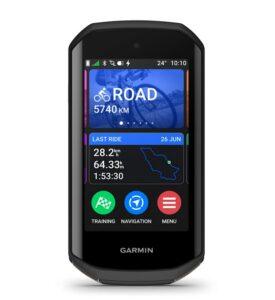
GPS computers
GPS head units are everywhere—but for many riders, they’re not essential. If you’re not following structured training plans or navigating unfamiliar routes, most of what people enjoy analysing can be captured with free smartphone apps.
Distance, average speed, max speed, and elevation are all easily tracked on a phone. A dedicated GPS computer becomes genuinely useful when you start relying on mapping, power-based training, or long rides where battery life and robustness matter more than convenience.
Carbon fibre handlebars
Carbon bars look fantastic and can shave a small amount of weight. They may also offer subtle vibration damping. However, the real-world benefits for most riders are marginal.
They require careful torque management, are less forgiving in crashes, and cost significantly more than alloy alternatives. Unless weight savings or aesthetics are a priority, well-made aluminium bars remain a durable, cost-effective option.
Tubeless road tyres
Tubeless tyres are often presented as an automatic upgrade—but for new or recreational road cyclists, they’re far from essential.
While the theory is sound, tubeless systems can be awkward to set up, require ongoing maintenance, and are harder to deal with if you suffer a major puncture. Many small cuts that seal with tubeless would never have caused issues with a standard inner tube anyway.
For most riders, traditional clinchers remain simple, reliable, and easy to live with. Tubeless can make sense later—but it doesn’t need to be your starting point.
Energy gels
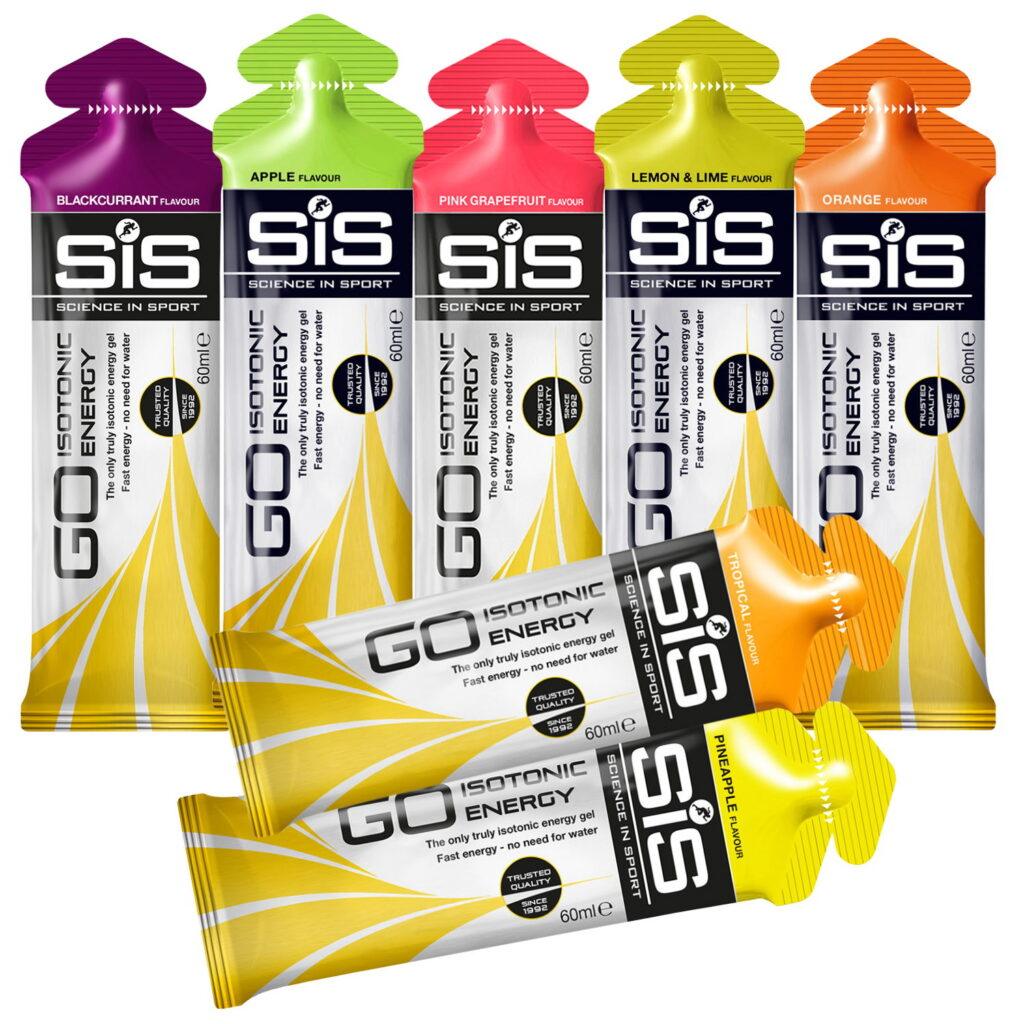
Unless you’re racing or training at very high intensity, energy gels are rarely necessary on everyday rides.
Simple, familiar foods—such as dates, jelly blocks, or gummy sweets—often work just as well. The same applies to sports drinks. Basic carbohydrate sources combined with water and a little salt are more than adequate for most riding.
Save the gels for events or hard efforts where convenience really matters.
Espresso culture
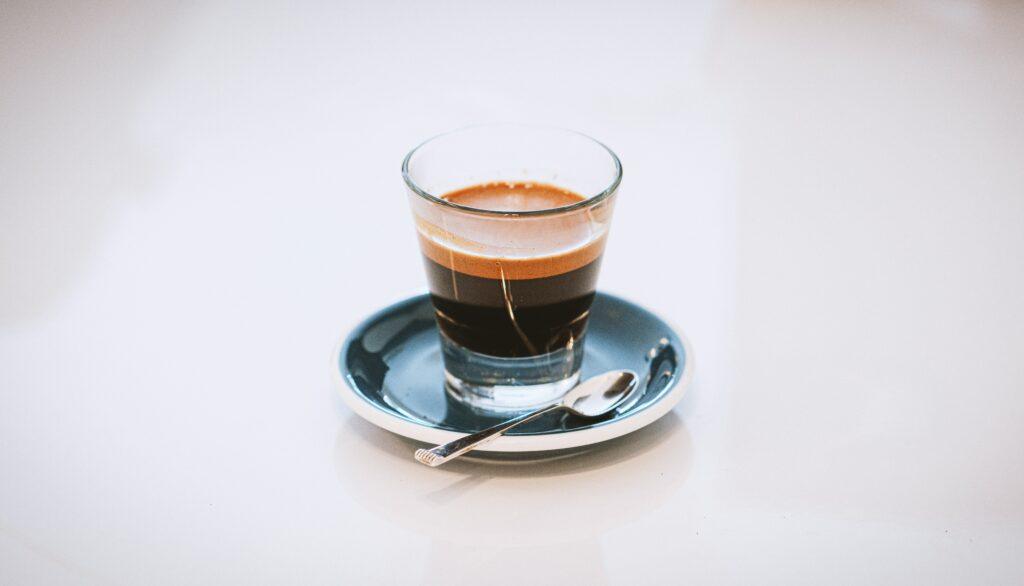
Being fluent in espresso ordering is not a prerequisite for enjoying cycling. Café stops are about socialising and recovery, not conforming to tradition.
Drink what you enjoy—hot chocolate, cola, or anything else. You won’t get dropped because of your caffeine preferences.
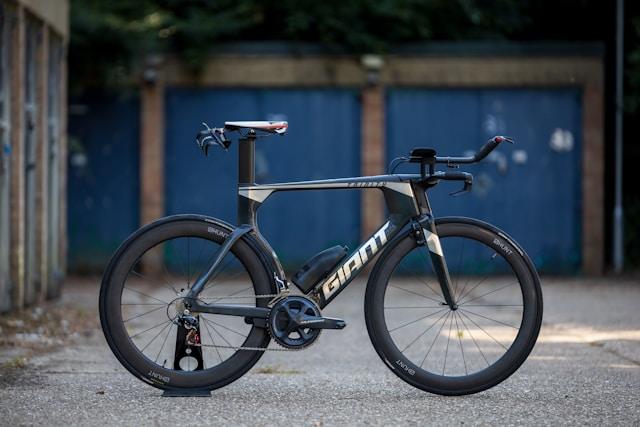
Ultra-lightweight carbon bikes
Reducing bike weight usually comes at a steep financial cost. In practice, any savings are quickly offset once you add bottles, tools, and food.
For most riders, improvements in comfort, fit, and general fitness will deliver far greater gains than chasing marginal weight reductions. A well-fitted bike ridden consistently beats a lighter bike ridden occasionally.
Carbon cycling shoes
High-end cycling shoes are often marketed around sole stiffness. While carbon soles are light and durable, stiffness alone will not make you faster.
Fit is vastly more important. A comfortable shoe that supports your foot properly will always outperform a stiffer shoe that doesn’t fit quite right.
This study from the University of Colorado illustrates how limited the performance gains from increased stiffness actually are.
Disc brakes
Disc brakes deliver strong, consistent braking in all conditions and protect carbon rims from wear. Those benefits are real.
However, they also bring complexity. Noise in wet conditions, contamination issues, and more complicated maintenance—especially with internal cable routing—can be frustrating for newer riders or those who travel with their bikes.
Disc brakes are excellent. But they’re not mandatory for enjoyable, effective road cycling.
Quick note on protecting your bike
Fancy kit is optional — but your bike is still a valuable bit of equipment.
It’s worth thinking about where it lives (home, shed, car, cafés, events) and how you’d cope if it was stolen or damaged.
Pedal Cover’s
bicycle insurance and home insurance for cyclists are designed around how cyclists actually own and use bikes.
If riding takes you abroad, cycle travel insurance covers you — for example medical treatment, cancellation or travel disruption — while bike cover protects the bike itself.
Always check the policy wording and what’s included/excluded before you buy.
Explore bicycle insurance | Travel insurance for riding trips
Frequently asked questions
Do beginners need expensive cycling kit?
No. Most beginners benefit more from comfort, consistency, and good fit than from premium components or upgrades.
Is carbon equipment always better than aluminium?
Not necessarily. Carbon can offer weight savings and aesthetics, but aluminium parts are often more durable and better value for everyday riding.
Are tubeless tyres worth it for road cycling?
They can be, but they’re not essential—especially for newer riders. Traditional inner tubes remain simple and reliable.
Do disc brakes make you faster?
No. They improve braking consistency and control, but they don’t directly increase speed.
What upgrades actually make the biggest difference?
A proper bike fit, comfortable contact points, and consistent riding will usually deliver more benefit than most equipment upgrades.