Reliability rides (sometimes called “reliability trials”) are early-season organised club rides designed to test both rider fitness and mechanical reliability after the winter training block.
They typically take place between January and March — when motivation is fragile, the roads are gritty, and the racing calendar is just around the corner.
If you’ve been riding through a British winter, you’ll know resilience becomes as important as fitness. (If not, our guide to riding through a British winter will feel familiar.)
What Is a Reliability Ride?
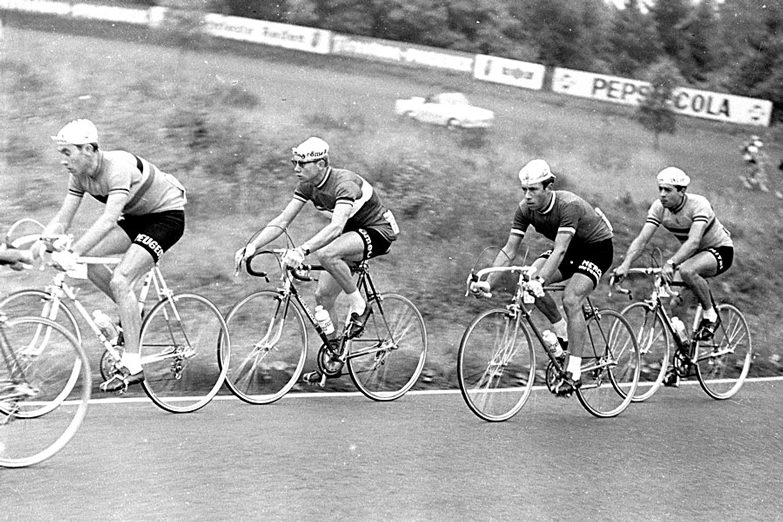
Historically, reliability trials were used to test the durability of early “safety bicycles” in the late 19th and early 20th century. Roads were rough, mechanical failure was common, and finishing within a set time proved both rider and machine were up to the task.
Modern reliability rides retain that spirit but with a focus on early-season preparation:
- A published route (often shared as a GPX file)
- A time limit for completion
- No feed stations
- No chip timing
- No closed roads
- No race classification
They are not races and not commercial sportives — although the pace at the front can sometimes suggest otherwise.
How Are Reliability Rides Different from Sportives?
Sportives are commercial events with signposted routes, feed stations and timing chips. Reliability rides are usually organised by local clubs. You sign on, ride within the allotted time window, and head home — often to tea and cake at the finish.
The emphasis is on preparation, not podiums.
Why Ride One?
1. A Realistic Fitness Benchmark
If winter training has consisted of turbo sessions and shorter solo rides, a reliability ride provides a proper endurance test. Choose your group wisely and you can either push yourself or build steady base miles.
2. Rebuild Group Riding Confidence
After months of riding alone, bunch skills can feel rusty. Reliability rides are ideal for re-learning positioning, pacing and etiquette. If you’re nervous about pace lines or getting shelled, it’s worth reading our top tips on avoiding getting dropped on a group ride before you go.
3. Social Reconnection
These rides bring together tens — sometimes hundreds — of cyclists. They’re perfect for catching up with clubmates or informally testing out a new club before committing to membership.
4. Motivation Through Shared Suffering
There’s something powerful about rolling out at 8am in freezing temperatures knowing everyone else had the same “stay in bed” debate. Shared winter hardship builds camaraderie quickly.
What Do You Need Before Riding One?
A Mechanically Sound Bike
Any road bike will do — winter trainer or summer machine — but it must be reliable. Cold, grit and salt accelerate wear.
Before you ride, it’s worth checking your drivetrain condition. If you’re unsure about chain wear, our guide on when to replace a bicycle chain explains what to look for.
More broadly, a quick pre-event check following our advice on winter bike care can prevent unnecessary roadside drama.
Self-Sufficiency
There is no broom wagon. You should carry:
- Spare inner tube (or tubeless repair kit)
- Pump or CO₂
- Tyre levers
- Multi-tool
- Quick link
- Chain tool
If you puncture, you fix it. If your chain snaps, you sort it — or rely on the goodwill of other riders.
Appropriate Winter Kit
Layers, gloves, overshoes and lights are essential. Early starts and unpredictable weather are part of the reliability tradition.
Are Reliability Rides Competitive?
Officially, no.
There’s usually a completion time window rather than a finishing order. Some riders treat them as hard training days; others ride socially. Remember the spirit — it’s preparation, not a race.
Should You Ride One?
If you want:
- An early-season fitness marker
- A structured long winter ride
- Club atmosphere without race pressure
- A reason to stay motivated through winter
Then a reliability ride deserves a spot in your calendar.
Winter miles matter — protect the bike behind them
Cold conditions and long early-season rides test both rider and equipment. Many cyclists choose to protect their bikes against theft and accidental damage as part of riding year-round.
With Pedal Cover, you can insure your bike either through dedicated bicycle insurance or as part of our home insurance for cyclists.
Always check the policy wording and what’s included or excluded before you buy.
FAQs: Reliability Rides
Are reliability rides races?
No. They have time limits but no official race classification or chip timing.
How long are reliability rides?
They typically range from 50 to 100 miles, often with multiple route options.
Do reliability rides have feed stations?
No. Riders are expected to be self-sufficient.
When do reliability rides take place?
Most occur between January and March as early-season fitness tests.
Can beginners ride a reliability trial?
Yes — provided they are comfortable riding in a group and capable of completing the distance within the time limit.