Seeing the Tour de France in person is one of cycling’s bucket-list experiences. For three weeks each summer, France (and often a neighbouring country) becomes a travelling festival—roads lined with fans, the publicity caravan rolling through, and the world’s best riders passing just metres away.
This is an evergreen guide you can use every year, starting the moment the routes are released: how to plan, where to watch, what to pack, how to handle road closures, and how to get the best viewpoint.
Travelling to the Tour with your bike?
If you’re travelling to watch the Tour and bringing your bike, it’s worth thinking about bike cover and travel cover as two separate needs.
- Bike insurance / home cover for bikes can help protect your bike against theft and accidental damage (including while you’re out riding).
- Travel insurance is for you: medical emergencies abroad, cancellation, curtailment, baggage, and travel disruption.
Explore Pedal Cover bicycle insurance | Home insurance for cyclists | Travel insurance
1) When the Routes Come Out: How to Start Planning
The Tour route is announced months in advance. Don’t just look at the start and finish locations—focus on what kind of stage it is and how it will likely race.
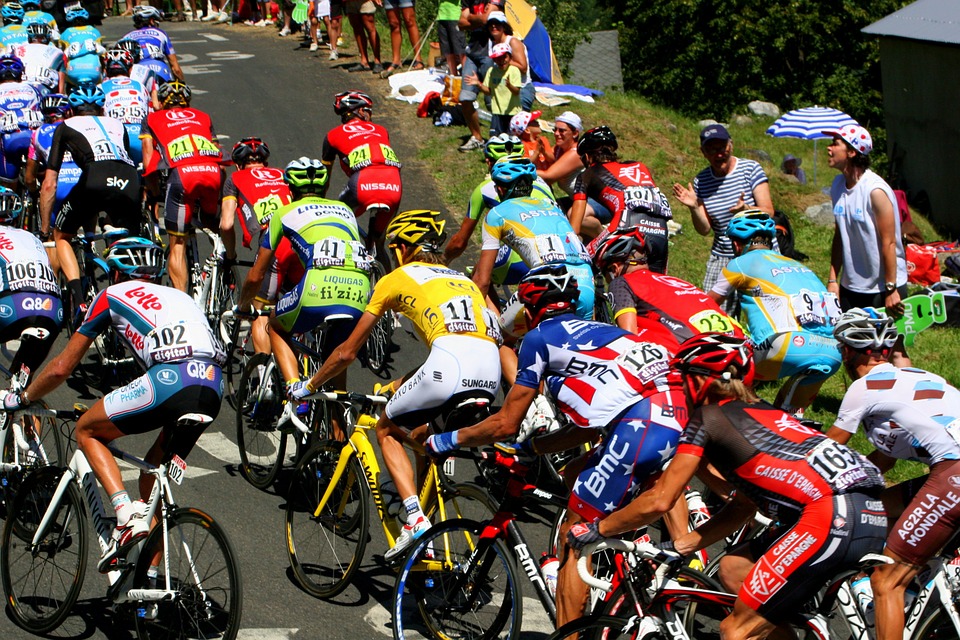
- Mountain stages: huge atmosphere and slower speeds on climbs (great for seeing riders clearly). Expect the biggest crowds and earliest road closures.
- Hilly / medium-mountain stages: often easier to access and less crowded, with unpredictable racing.
- Sprint (flat) stages: best in start/finish towns; roadside can be very fast and over in seconds.
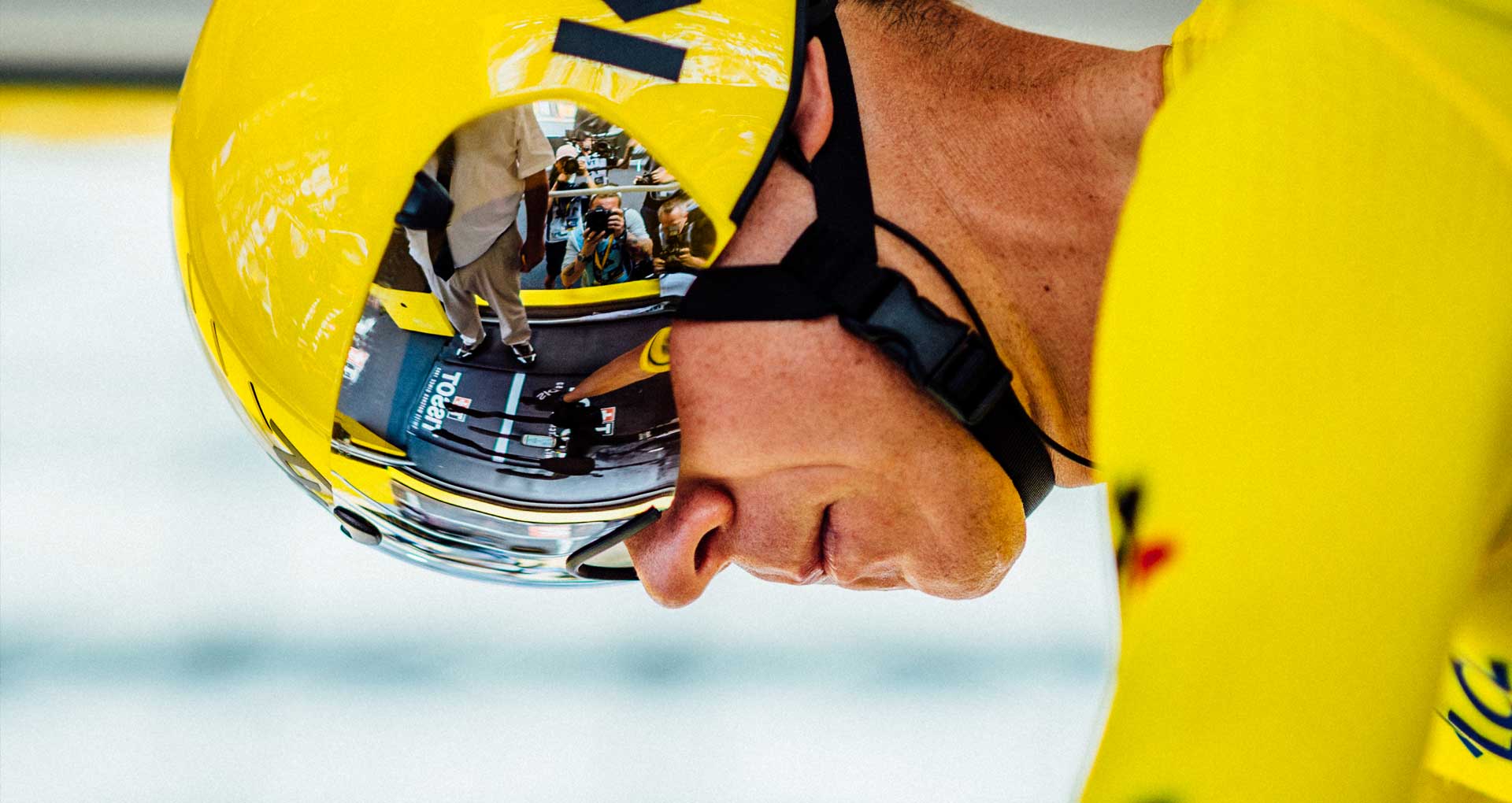
- Time trials: more predictable timings and the chance to see riders spaced out, often closer and for longer.
- Rest days: useful for relocation, sightseeing, and riding parts of the route yourself.
Planning tip: book accommodation with flexible cancellation if you can—weather, closures, and travel disruption can all change the shape of your trip.
2) Where to Watch: Finish Town vs Roadside (and What’s Best for First Timers)
Finish Towns
- Pros: big screens, entertainment, team buses, podium ceremony, more facilities.
- Cons: barriers and restricted zones; the best places go early; it can feel less “close-up”.
Roadside (Especially on Climbs)
- Pros: riders pass within metres; iconic atmosphere; you choose your spot.
- Cons: limited facilities; major road closures; long waits in place.
Best all-round option: a popular climb a few kilometres below the summit—still loud and dramatic, usually slightly easier for access and exit.
3) Road Closures, Timing, and Getting There (Without Stress)
On big mountain days, roads can close hours before the race passes. Exact closure times vary by stage and location, so check official local notices and signage.
- Major mountain stages: arrive early morning (or consider walking/cycling up).
- Rolling stages: you can often arrive later, but still allow time for parking and walking in.
- Time trials: arrive before the first rider if you want the best viewing positions.
Reality check: once you’re in position you may not be able to move until the caravan and riders have passed, and roads reopen.
4) The Publicity Caravan: Part of the Tour Experience
The publicity caravan usually arrives around 1–2 hours before the riders. It’s loud, chaotic, and brilliantly Tour—often with free merchandise and a genuine “it’s happening” buzz. If you want the full experience (or you’re with kids), build your day around seeing it.
5) What to Pack for a Day on the Roadside
Essentials
- Water (bring more than you think)
- Food/snacks (especially on climbs with limited shops)
- Sun cream + hat (and/or waterproofs—mountain weather changes fast)
- Portable charger / power bank
- Small first-aid basics (plasters, blister care)
Nice-to-haves
- Small radio or live commentary on your phone (headphones recommended)
- Lightweight seat or picnic blanket
- Flag or sign (kept under control and never in riders’ space)
What to avoid
- Large umbrellas (they block views and can be unsafe in dense crowds)
- Anything that could blow into the road (loose banners, long poles)
6) Spectator Etiquette (What Experienced Fans Do)
The Tour is a live race, not a parade. A few simple rules keep everyone safe:
- Step back early when you hear race vehicles approaching.
- Don’t run alongside riders on climbs (even if others do).
- Keep flags, signs, and phones controlled and out of the road.
- Follow stewards and gendarmes—closures are there for a reason.
Done right, the best crowds are loud, positive, and disciplined—creating atmosphere without creating danger.
7) Getting Away After the Riders Pass
Exiting can take longer than you expect—especially on mountain stages where roads reopen gradually and traffic is funnelled down narrow routes.
- Expect delays after the stage finishes.
- One-way systems are common on popular climbs.
- Consider staying locally overnight to avoid the biggest pinch points.
8) Make It a Cycling Trip, Not Just a Stage Day
Many fans plan their Tour trip around riding famous roads themselves—either the day before the stage or early on race morning. If you’re deciding where to ride, our guide to the best Tour de France climbs ever highlights the most iconic ascents and what to expect from each.
Quick note on insurance (bike vs travel)
If you’re planning a Tour-climbs trip with your own bike, it’s important to understand that there are two different types of insurance involved. One policy is designed to protect the bike itself (for example theft or accidental damage), while a separate travel policy is designed to protect you as the traveller—covering things like medical treatment abroad, cancellation, and travel disruption.
Pedal Cover’s bicycle insurance and home insurance for cyclists are designed around how cyclists actually own and use bikes.
Our travel insurance focuses on the traveller (medical expenses abroad, cancellation/curtailment, and travel disruption).
Always check the policy wording and what’s included/excluded before you buy.
Tour de France Spectator FAQs
How early should I arrive to watch a Tour de France stage?
For major mountain stages, arrive early morning. For flatter stages and many finish towns, late morning or early afternoon can work—just allow extra time for parking, walking, and road restrictions.
Is it better to watch near the finish line or on a climb?
Finish towns offer facilities and big screens, while climbs give the most atmosphere and the closest roadside viewing (because riders are moving slower). For first timers, a climb a few kilometres below the summit is often the best experience.
What is the Tour de France publicity caravan?
The publicity caravan is a parade of sponsor vehicles that passes before the riders, usually 1–2 hours earlier. It’s a big part of the Tour’s festival atmosphere and often hands out freebies.
Can I cycle to my viewing spot?
Yes—many fans cycle or walk to a viewing point, especially on climbs, to avoid parking issues and to get around closures. Always follow local instructions and be cautious on crowded roads.
Can I ride famous Tour de France climbs while I’m there?
Yes. Many spectators plan their trip around riding iconic climbs either the day before a stage or early on race morning (before closures tighten). If you’re deciding where to ride, see our guide to the best Tour de France climbs ever for the classic ascents and what to expect from each.
What should I bring for a day watching the Tour?
Water, food, sun protection, wet-weather gear, a power bank, and something to sit on. Facilities can be limited on climbs, so plan to be self-sufficient.
Does travel insurance cover my bike?
Travel insurance is typically designed to cover the traveller (for example medical expenses abroad, cancellation/curtailment, and travel disruption). If you’re taking a valuable bike, consider separate bike cover (such as bicycle insurance or appropriate home cover for bikes). Always check the policy wording for exact cover and exclusions.
Final Thought
The Tour de France might pass your chosen spot in a matter of minutes—but the day is an event: the build-up, the caravan, the helicopters overhead, and the roar of the crowd as the race arrives. Plan early, stay flexible, and you’ll have a story you’ll tell for years.