Winter brings the familiar routine of layering up, searching for lights, and convincing yourself that riding in the dark is character-building. The British winter doesn’t make cycling easy—between the cold, drizzle, and general greyness, just getting outside is an achievement. But once you’re out and turning the pedals, winter riding can be surprisingly rewarding.
A bit of preparation goes a long way, especially when it comes to looking after your bike. Here are the key winter maintenance tips to keep your bike running smoothly until the sun returns. Keep the faith!
Keep the Chain Happy
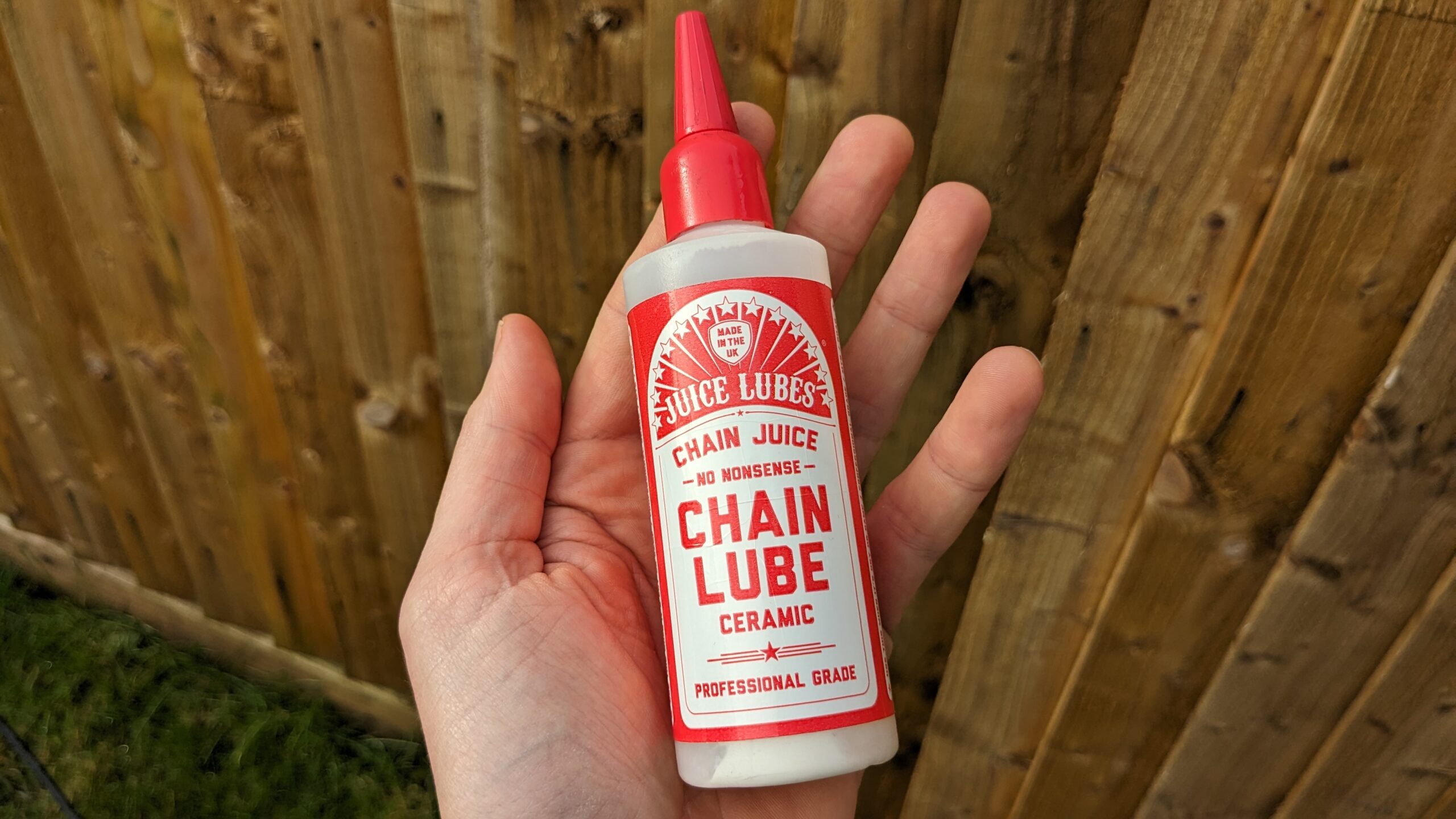
Rain, road grime, and salt are all in full force at this time of year, so choosing the right chain lube is crucial. A wet-weather lubricant clings to your chain far better than a dry one and won’t wash away at the first puddle. If your rides are regularly damp (and let’s face it, they probably are), give your drivetrain a quick clean and re-oil after each outing. It takes minutes and pays off massively in reduced wear.
Protect the Frame After Every Wash
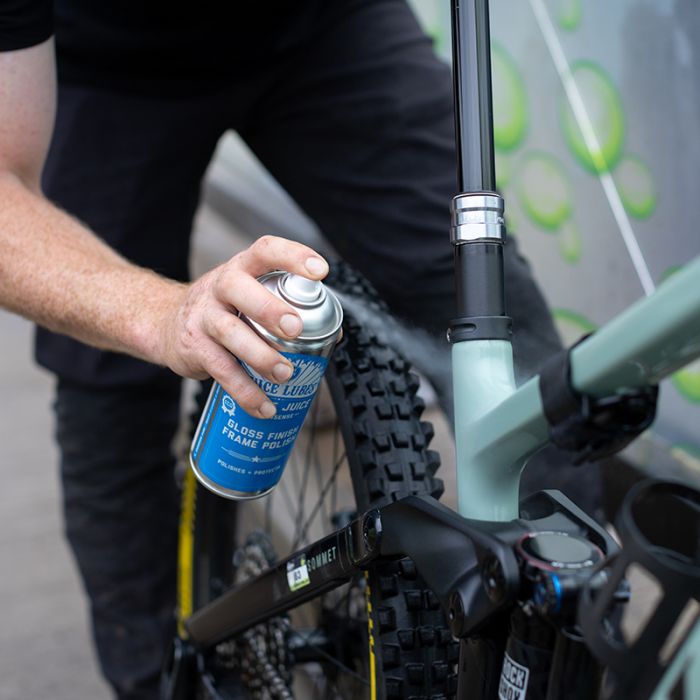
After rinsing your bike, a mist of frame-protectant spray helps water bead off and stops grime from sticking. Juice Lubes and other UK brands make excellent all-weather sprays that leave a clean finish and add a bit of protection. Just remember to shield your brake calipers from any overspray—old cotton T-shirts work well for this job.
Fit Mudguards
Mudguards might not win style awards, but in winter they’re unbeatable for comfort, especially on longer rides. They keep the worst of the spray off you and stop grit and dirty water from being flung at your frame and moving parts. That means warmer rides and, in theory, fewer mechanical issues. When fitting mudguards, make sure they’re not rubbing anywhere, and add a small patch of frame protection tape where the mounts touch your forks or stays to prevent long-term scuffing.
Winter Tyres Make a Big Difference
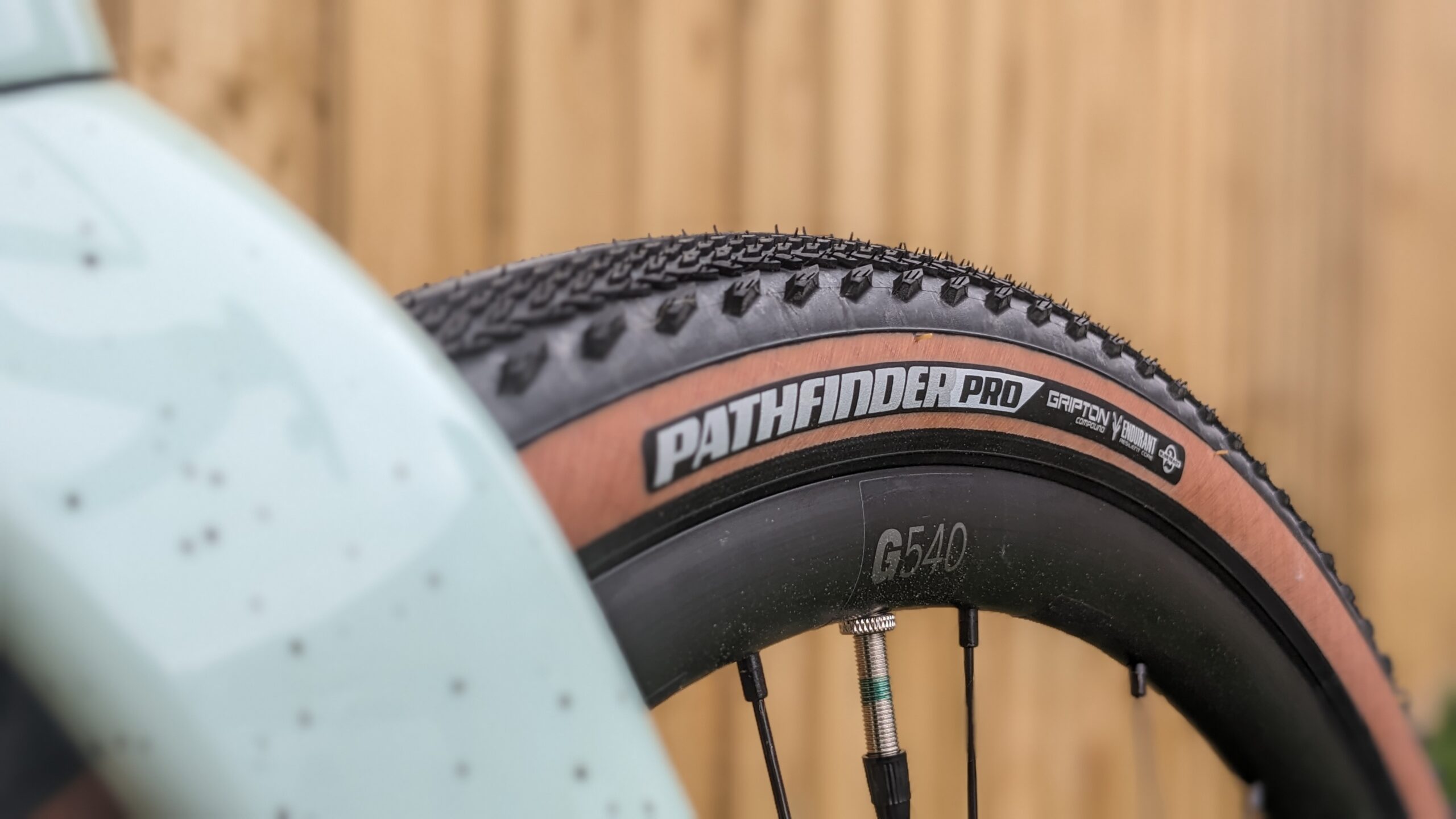
Cold, wet roads bring more punctures, so consider swapping fast summer tyres for something wider and tougher. Many riders move up to 28mm (if their frame allows) for better grip, comfort, and puncture resistance. If your wheels can run tubeless, winter is the perfect time to switch—sealant handles small punctures brilliantly and can save a lot of roadside hassle. If you do go tubeless, make sure you have a kit to plug any holes too big for the sealant to fix.
Check Your Bearings
UK winter roads are a mix of water, grit, and salt, so it’s worth giving your bearings a quick once-over. You don’t need to strip anything down: any grinding, creaking, or roughness is a warning sign. Pay attention to the headset and bottom bracket in particular. If something feels off, get it checked, greased, or replaced before it becomes a bigger issue.
Light the Way
Good lights are non-negotiable in winter. A bright, USB-rechargeable front light and a reliable rear light will keep you visible on the roads. Night riding can be brilliant—quiet trails, different scenery, and a great sense of adventure. Stick to routes you know, take a bar-mounted light plus a helmet light, and avoid going solo if possible.

Clean Your Bike Frequently
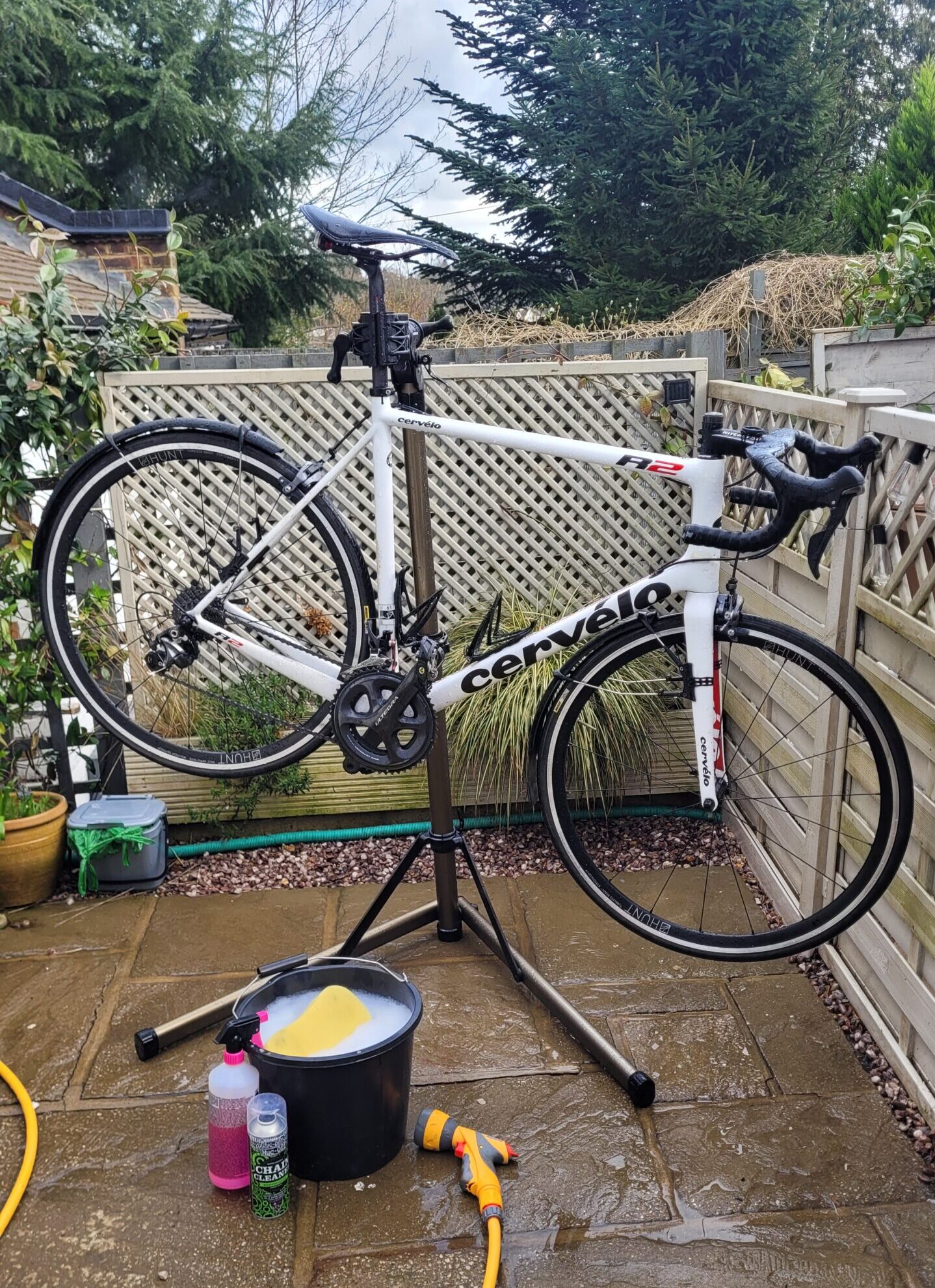
Your drivetrain works twice as hard in winter, so a quick clean after wet rides makes a huge difference. You don’t need to strip it down every time—just follow this easy routine:
- Rinse off heavy mud (avoid pressure washers on bearings or e-bike motors)
- Degrease your chain
- Wash the frame and wheels with a microfibre cloth or soft mitt
- Rinse and dry
- Re-lube the chain
- Add a little frame spray
Five to ten minutes, tops.
Pack the Essentials
Winter isn’t the time to gamble on luck. Keep the basics with you at all times and you’ll be grateful when something goes wrong. Even the pros get caught out; forgetting tubes or a pump can happen to anyone. Essentials include:
- Two inner tubes
- Small multi tool
- Chain quick link
- CO₂ pump + two canisters
- Tubeless plug
- Plastic tyre levers
- Nitrile gloves
- ICE details
- A £20 note
- Emergency snack (Mars bar, bar of choice, etc.)

Know When to Stay Indoors
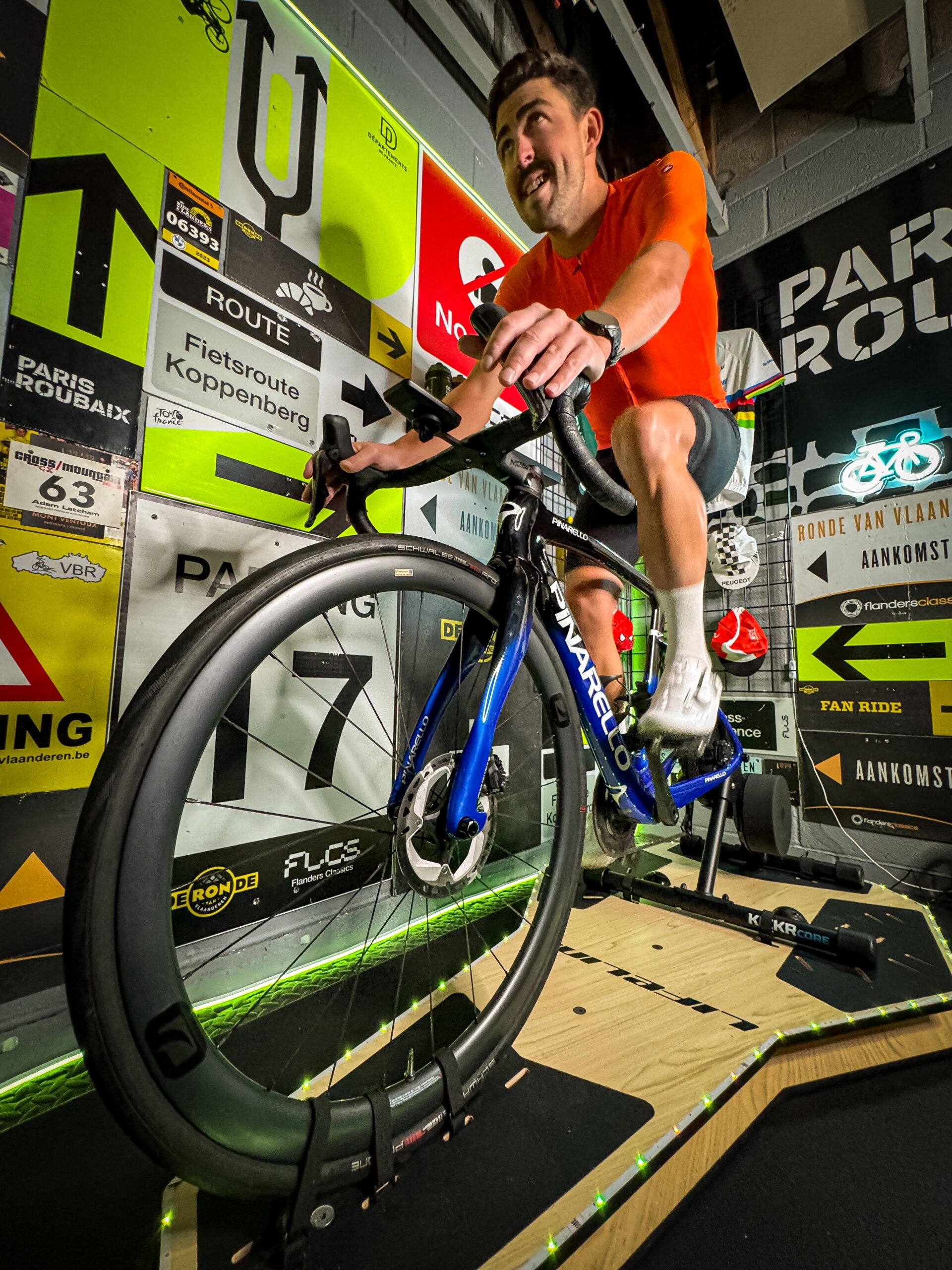
Sometimes the weather truly is foul, and forcing yourself out isn’t worth it. Indoor training has come a long way—smart trainers and apps make indoor sessions surprisingly fun (and sweaty). Your bike stays clean, you stay warm, and the risk from icy roads is zero.
Ride Safe This Winter
However you choose to ride through the cold months, a little preparation keeps you safer, more comfortable, and more confident. Pedal Cover bicycle insurance includes accidental damage and crash cover as standard—ideal for rough winter conditions. If you need any help choosing the right cover, our friendly team is always happy to chat on 0800 121 4424.
Protect your bike and your ride this winter
Bicycle insurance or home insurance for cyclists can help protect against theft and accidental damage, whether your bike is stored at home, in a shed, or locked out and about. Always check the policy wording and what’s included or excluded before you buy.
Learn more about bicycle insurance | Home insurance for cyclists
FAQs: Winter Bike Maintenance
How often should I clean my bike in winter?
After every wet or gritty ride. At minimum, clean and lubricate the drivetrain.
How often should hydraulic brakes be bled?
At least once every 12 months, or sooner if performance declines.
When should I replace my chain?
When a chain wear tool indicates stretch beyond recommended tolerance. Replacing early protects the cassette.
Do I need a torque wrench for bike maintenance?
Yes, especially for carbon components and modern lightweight parts.
Is winter riding bad for my bike?
Winter conditions accelerate wear, but regular maintenance significantly reduces long-term damage.