Bikes are built for enjoyment, but small, preventable issues can quickly turn a great ride into an expensive repair. Here are ten common bike problems that are easy to avoid with a little care and attention.
1. Disc Contamination
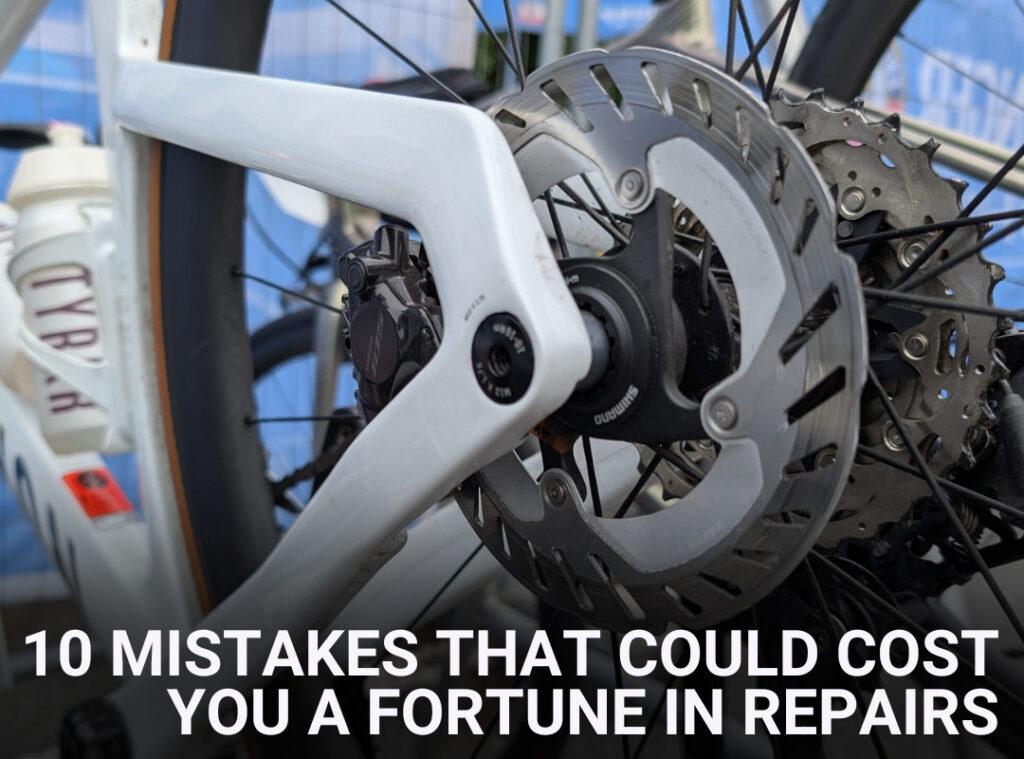
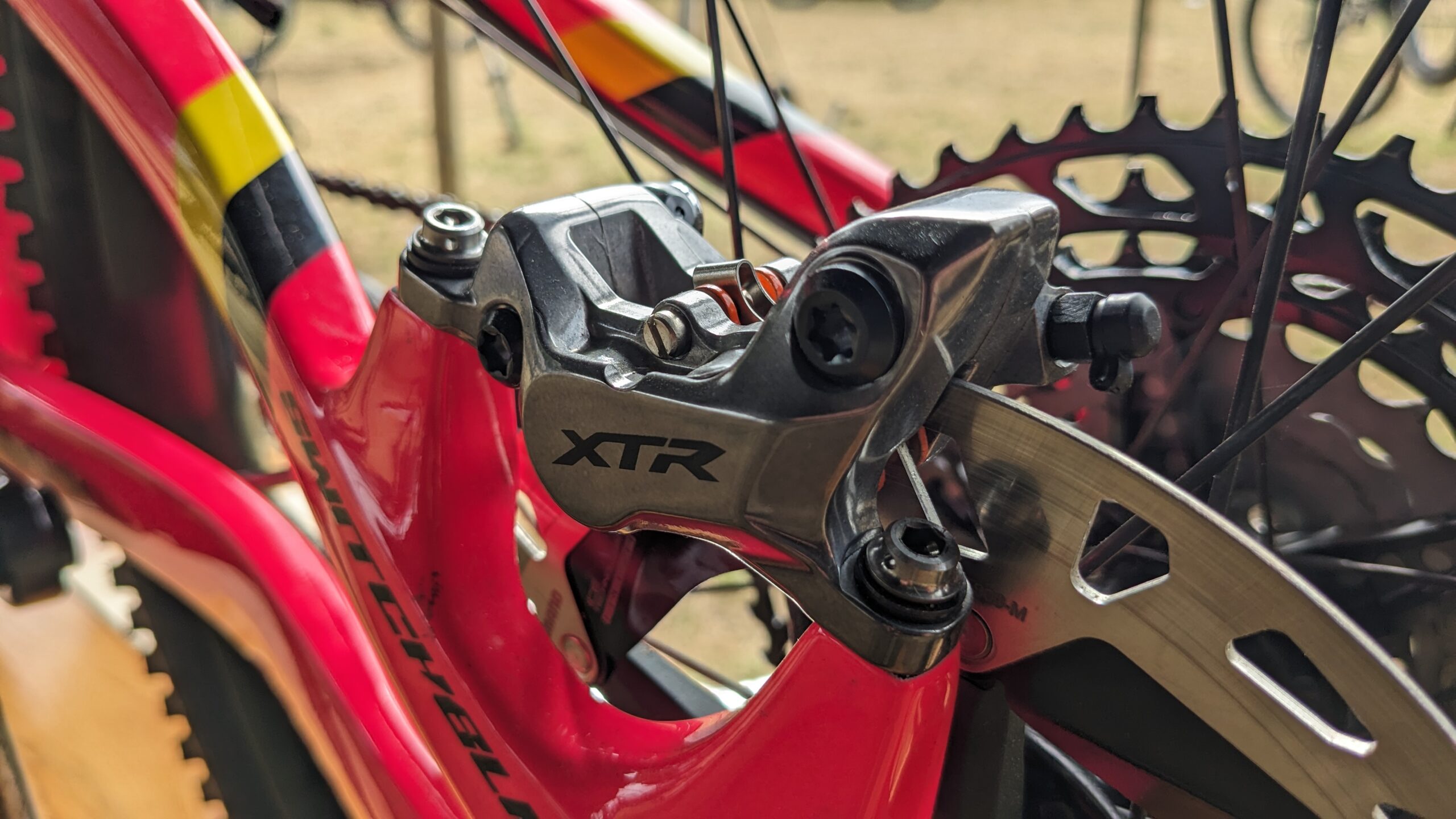
Disc brake contamination happens when your rotor or pads come into contact with oil, grease, or lubricant. This leads to poor braking performance and loud, unpleasant noises. If your pads are contaminated, it’s usually best to replace them, thoroughly clean the rotor and caliper, and fit new pads.
- Cover brake surfaces when lubricating your bike.
- Spray bike polish onto a cloth, not directly near brakes.
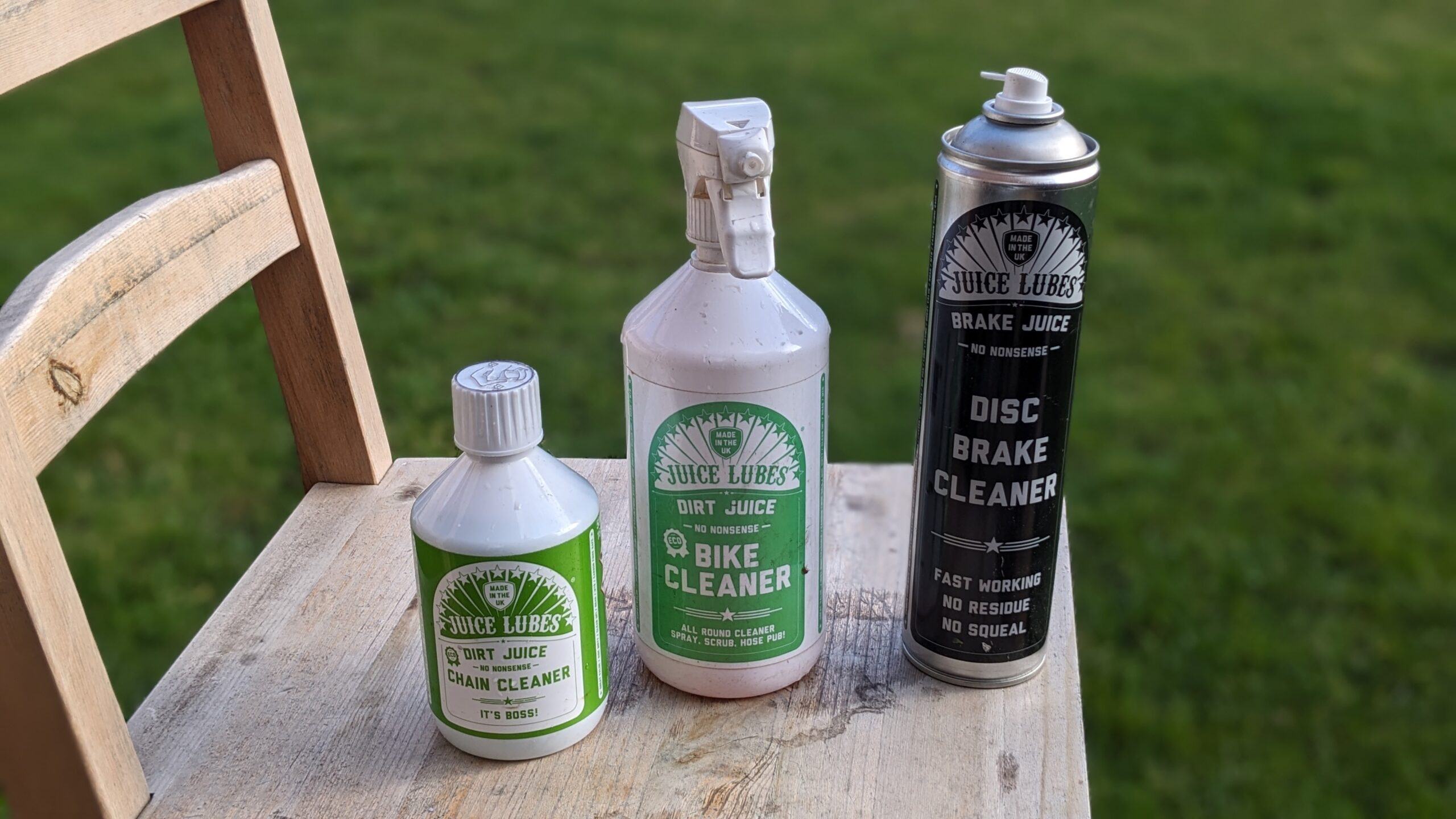
- Use a quality disc brake cleaner regularly. This one from Juice Lubes works well.
2. Frame Rub
Check for exposed brake or gear cables that might rub against your frame, especially near the head tube. Use protective frame wrap where cables, bags, or mudguards contact the frame to prevent paint damage from grit and vibration.
3. Dirty Drivetrain
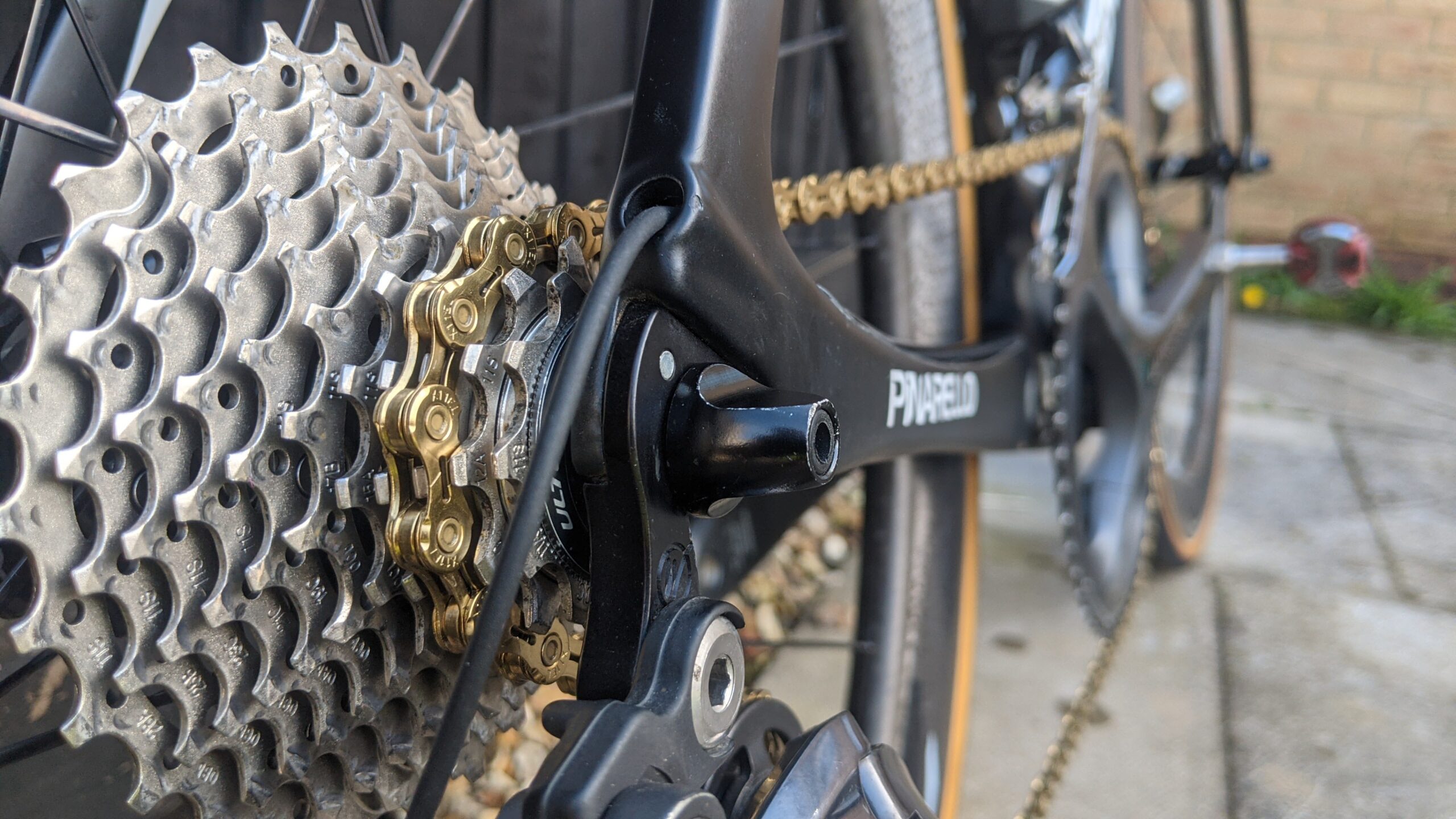
Neglecting your drivetrain, especially on e-bikes, leads to noisy, inefficient riding and premature wear. A back pedal tool can help you clean your cassette and chain more easily, even on e-bikes.
4. Pressure Washing Bearings
While pressure washers remove mud quickly, aiming them at bearings can strip away grease and allow water in, leading to premature bearing failure. Pro mechanics may use them, but they also replace bearings far more often. Stick to gentle rinsing for longevity.
5. Wrong Cleaning Products
Bike-specific cleaners are formulated to clean without damaging paint or lubricated surfaces. If you must use kitchen detergent, use it sparingly, rinse thoroughly, and always dry and lubricate your bike afterward.
6. Wrong Size Tyres
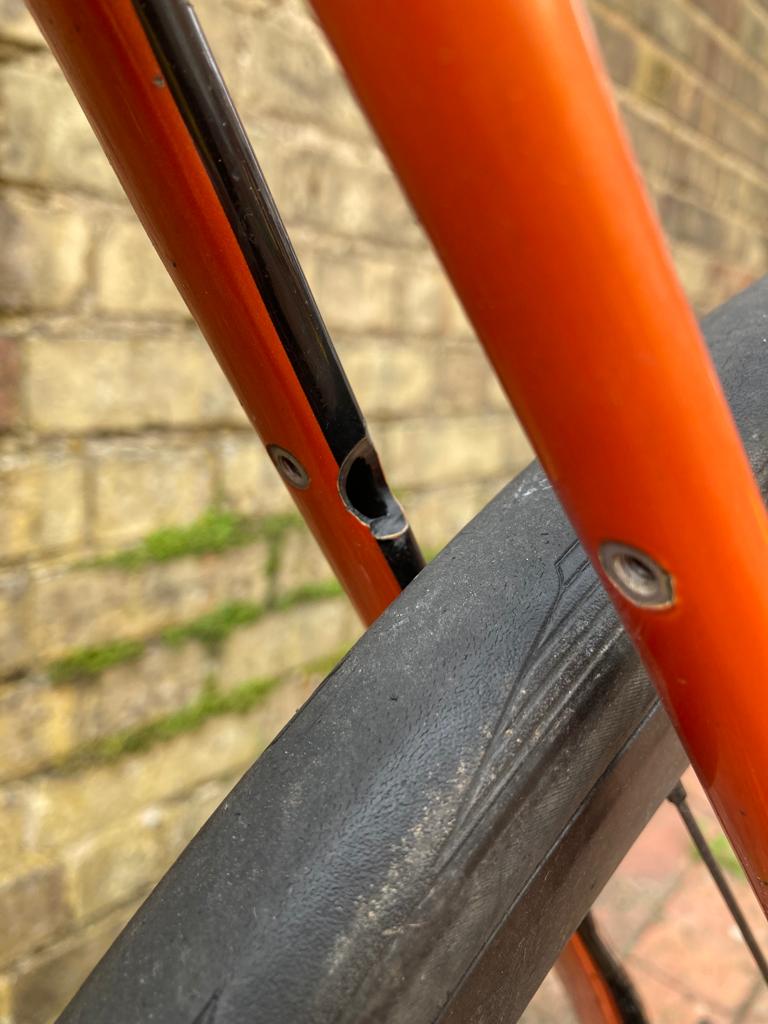
Wider tyres are popular, but fitting tyres that are too wide for your frame can cause severe rub damage, especially if your wheels flex or go out of true. Always check manufacturer guidelines and allow clearance for mud and wheel movement.
7. Crank Rub
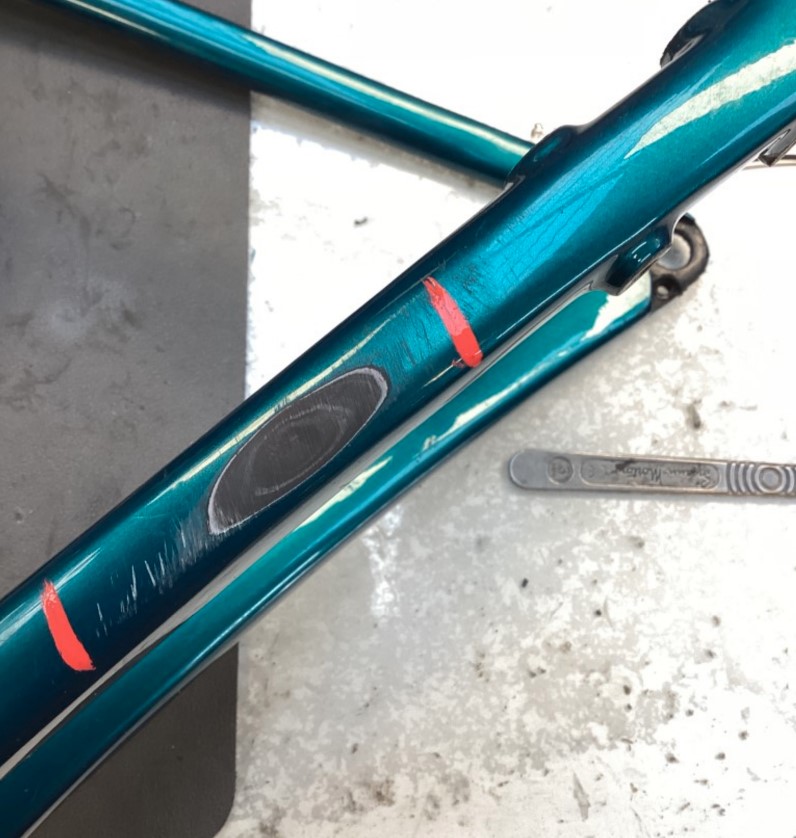
Crank rub is common for mountain bikers, but for road and gravel riders, it often signals a poor bike fit. If your shoes are rubbing the cranks or chainstays, consider a professional fit to prevent costly frame damage.
8. Using a Sponge
Sponges can cause micro-scratches and swirl marks on your bike’s paint. For a lasting shine, use a wool or microfiber wash mitt instead.
9. Avoid the Ring of Death
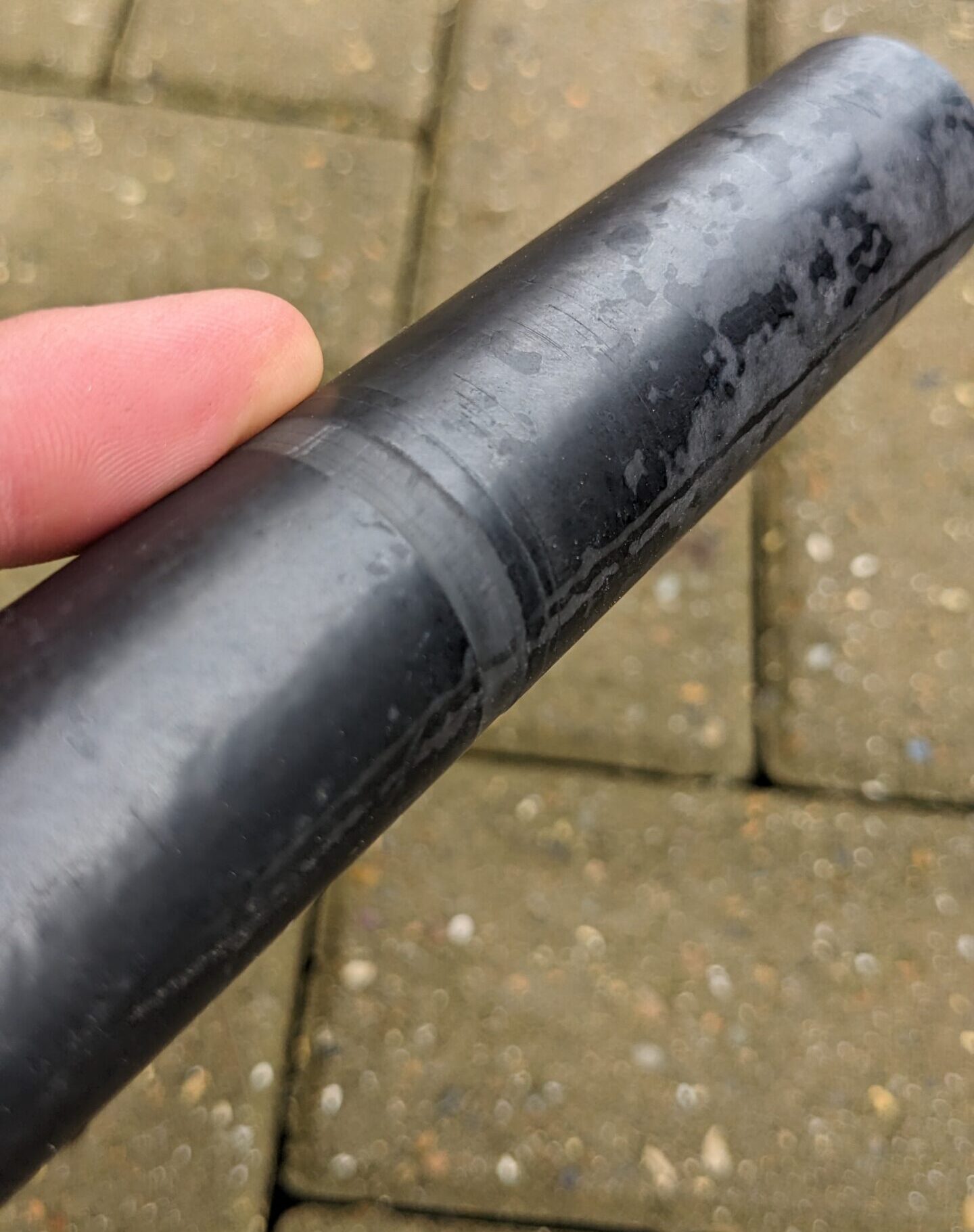
The “ring of death” is caused by loose or worn headset bearings that eat into the carbon steerer tube. Regularly check and replace headset bearings to prevent catastrophic failure. Note: This type of damage is considered avoidable and may not be covered by insurance policies.
10. Over Tightening Bolts
Over-tightening bolts can strip threads, deform components, or cause stress fractures—especially in carbon fibre. Always use a torque wrench and follow manufacturer specifications to keep your bike safe and reliable.
Protect your bike, protect your investment
Even with the best maintenance, accidents and theft can happen. Bicycle insurance and home insurance for cyclists can help cover theft and accidental damage, whether your bike is at home or out and about. Always check your policy wording for details on what’s included and excluded.
Related Reading
For more tips on keeping your bike in top condition, check out:
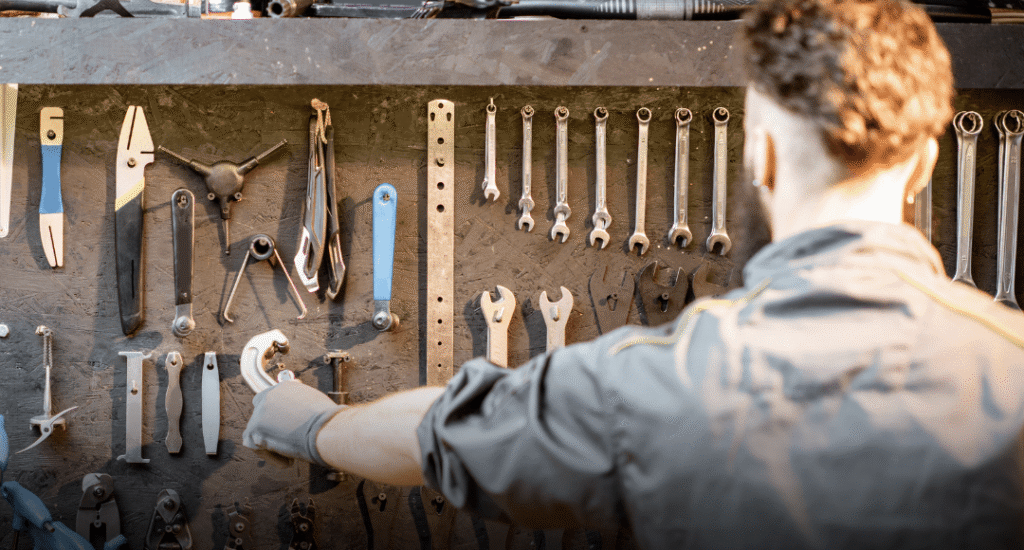
The 15 tools every mechanic should have
FAQs: Bike Maintenance and Damage Prevention
How often should I clean my bike?
Clean your bike after every wet or gritty ride. At minimum, clean and lubricate the drivetrain regularly.
What’s the best way to avoid disc brake contamination?
Keep lubricants and cleaning sprays away from brake surfaces, and use a dedicated disc brake cleaner.
How do I know if my tyres are too wide for my frame?
Check your bike manufacturer’s guidelines and ensure there’s enough clearance for mud and wheel flex.
Why is a torque wrench important for bike maintenance?
It ensures bolts are tightened to the correct specification, preventing damage to components and frames.
Is it safe to use a pressure washer on my bike?
Use with caution—avoid spraying bearings directly to prevent water ingress and premature wear.