When cycling became complicated: Finding your way back to the ride
There was a time when cycling required very little thought. You checked your tyres, grabbed a helmet, and set off. No apps. No dashboards. No performance targets. Just you, the bike, and whatever road caught your eye.
Fast forward to today and cycling often feels more like a system to manage than an experience to enjoy. Battery levels need checking, sensors need pairing, routes need planning, and rides need uploading. Somewhere along the way, riding a bike became less about freedom and more about optimisation. Let’s not forget, many people ‘have to’ upload their ride data in order to retain their ‘free’ GPS smart watch to keep life/health insurance premiums down.
Which raises an uncomfortable question: Has cycling technology improved the ride, or quietly taken something away from it?
How we got here: The digital takeover of cycling
Progress in cycling has always been part of the sport’s DNA. Lighter frames, better gearing, safer braking systems. Innovation has shaped how we ride for decades.
But in the last ten years, we have seen a tilt shift in the technology that hasn’t just improved bikes, it’s wrapped itself around the entire riding experience.
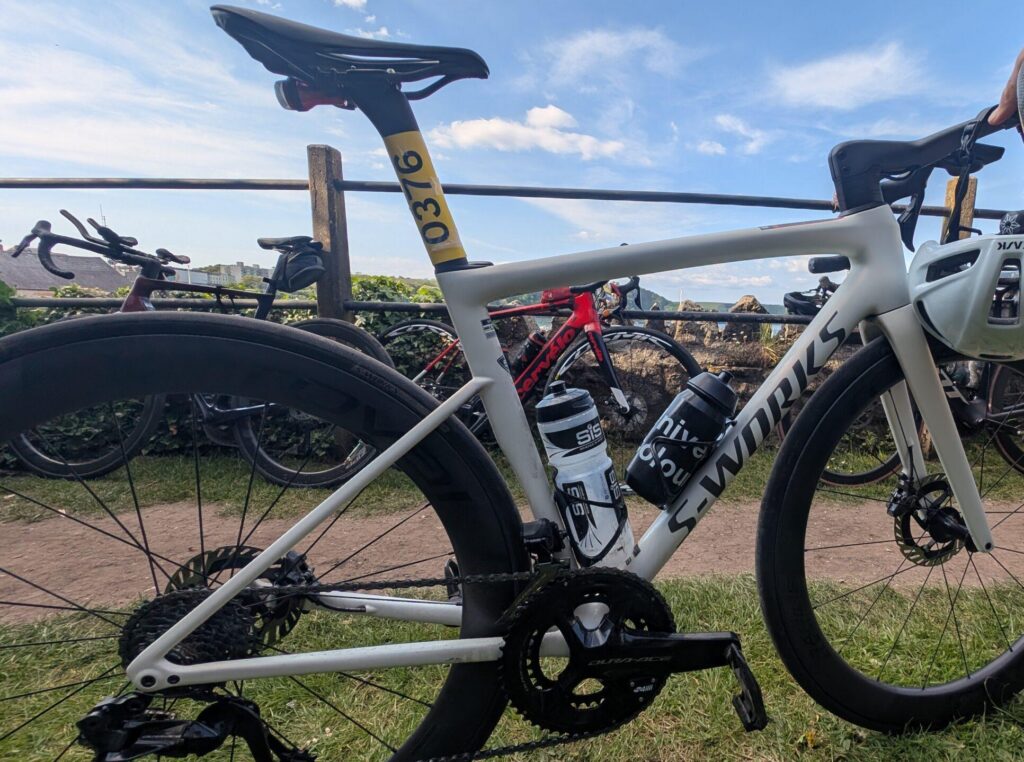
For many cyclists, a “normal” setup now includes:
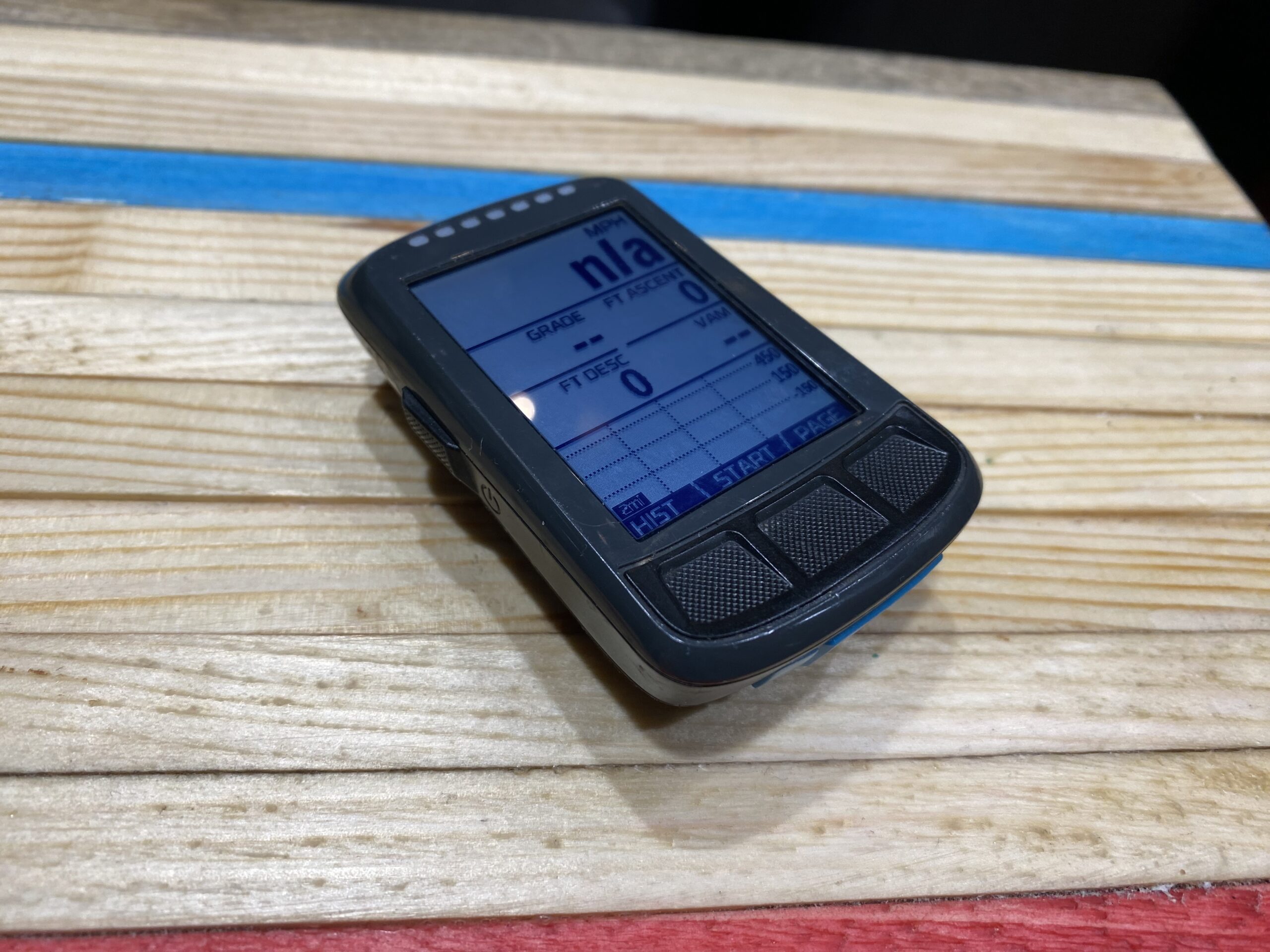
- GPS computers connected to phones and training platforms
- Power meters, heart rate straps, cadence sensors and smart lighting
- Electronic shifting systems
- Crash detection system
- Rear-facing radar tech
- App-controlled indoor trainers
- Multiple analysis tools which track every second of every ride
We are now managing data, maintaining software, troubleshooting connectivity issues, and interpreting metrics, often before we’ve even turned a pedal.
Metrics everywhere: helpful insight or mental load?
There’s no denying the value of data. Used well, it can guide training, prevent over-training, and support genuine performance gains.
But when numbers start to dominate every ride, the experience can change.
Many cyclists recognise the pattern:
- A great ride feels disappointing because the average speed was lower than expected
- Café stops are skipped to protect “moving time”
- Fatigue signals are ignored because the plan says to push harder
What starts as motivation can quietly become pressure. The ride becomes something to execute rather than something to enjoy.
Social platforms and the performance spotlight
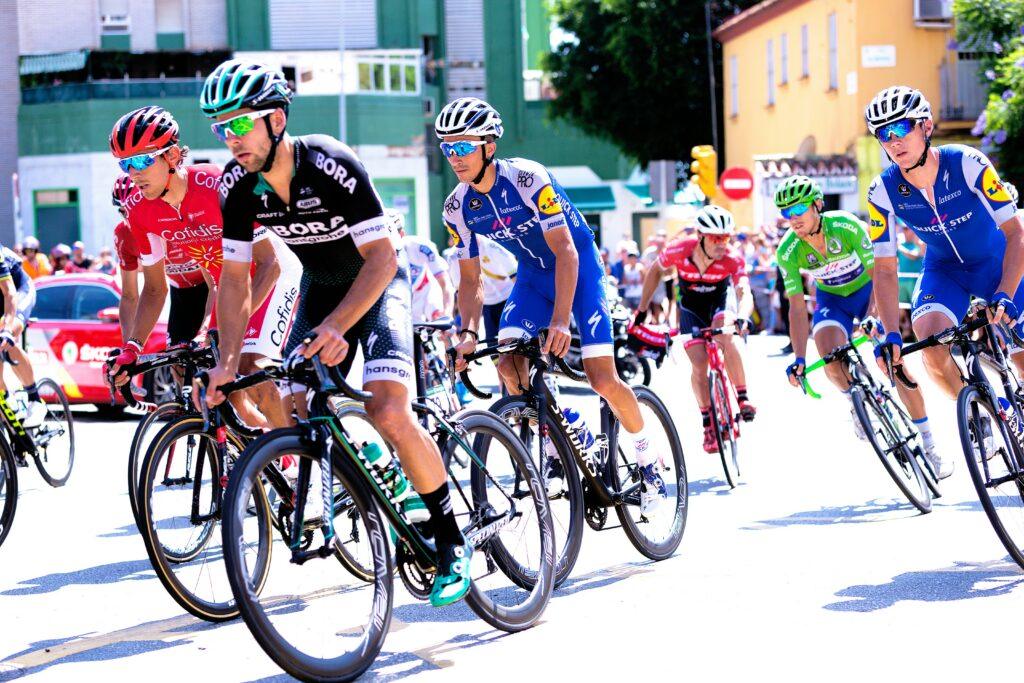
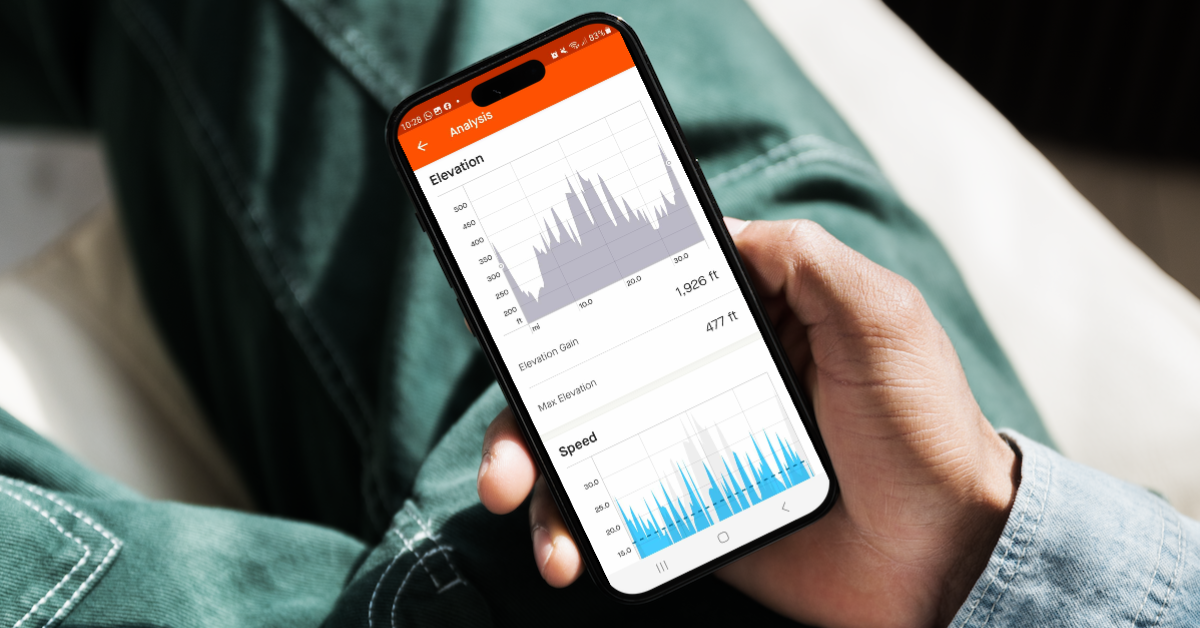
Apps like Strava have reshaped cycling culture in powerful ways. They’ve built communities, encouraged consistency, and helped riders stay connected, but they’ve also changed how success is measured.
Rides are no longer just ridden-they’re performed. Segments replace scenery. Leaderboards replace feelings. If a ride isn’t recorded, shared, or impressive enough, it can start to feel like it didn’t count.
The focus subtly shifts away from the ride itself and toward how it appears on a screen.
When technology becomes a barrier
For some cyclists, the accumulation of tech begins to drain enjoyment rather than add to it.
Common signs include:
- Spending more time charging devices than riding
- Frustration caused by syncing failures or software updates
- Avoiding spontaneous rides because the setup isn’t “ready”
- Feeling pressure to justify every outing with effort or intensity
This doesn’t just affect individuals. It shapes the wider cycling culture, making it feel intimidating to newcomers and exhausting for long-time riders.
A quiet shift back to simplicity
At the same time, a different trend is emerging.
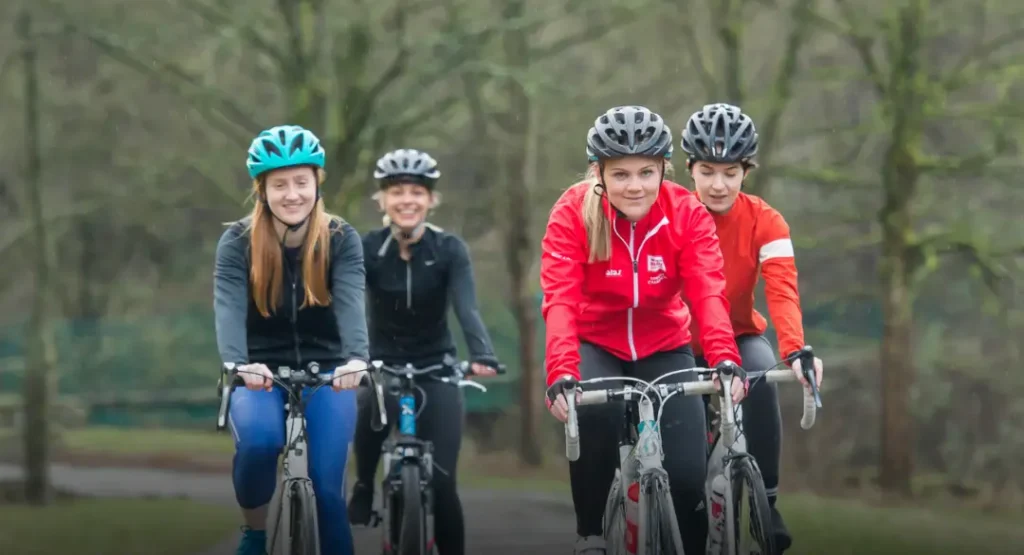
More riders are choosing unstructured routes, local adventures, and bikes with fewer distractions. Gravel riding, single-speed commuting, and untracked rides are all growing in popularity.
This isn’t a rejection of technology, it’s a rebalancing. A decision to prioritise curiosity, enjoyment, and presence over performance metrics.
The ride that didn’t get recorded
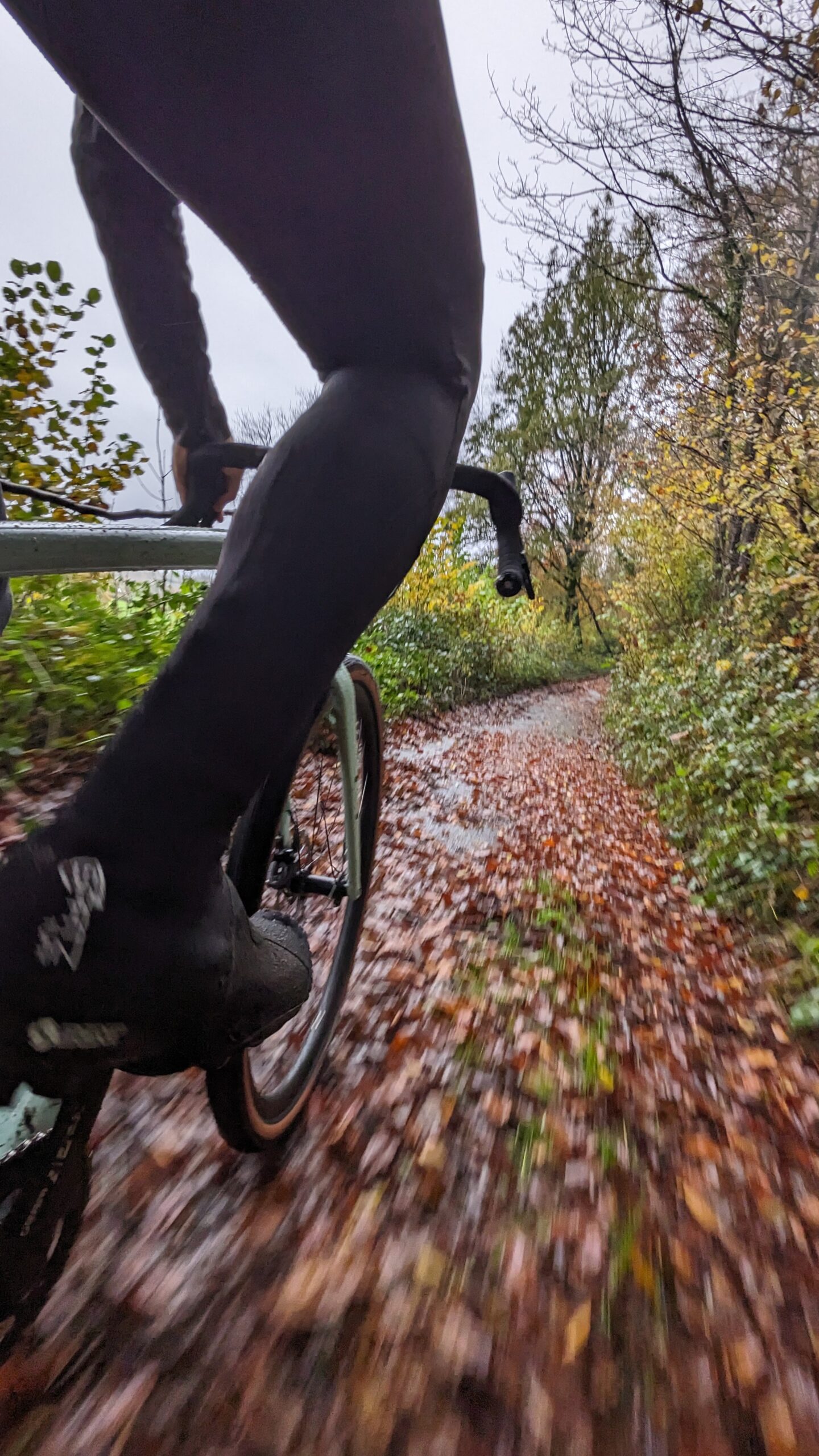
One unplanned ride can be surprisingly revealing. No GPS. No route. No data to review afterwards. Without the usual reference points, the ride becomes about choices made in the moment. Turning left just to see what’s there. Stopping because it feels right. Riding harder or easier based purely on feel.
Often, those rides are the ones remembered most clearly- precisely because nothing tried to quantify them.
So, has tech gone too far?
Not necessarily. Technology has made cycling safer, faster, and more accessible in many ways. It’s an incredible tool when used intentionally.
But when it starts to dictate how, when, and why we ride, it may be time to pause and reassess.
You don’t have to abandon your devices entirely. Just experiment with less:
- Leave the head unit at home occasionally
- Ride without sensors
- Skip the upload now and then
- Let effort be guided by feel, not numbers
Because cycling was never meant to be about perfect data or digital approval. It was meant to be about movement, freedom, and the simple pleasure of riding a bike.
Sometimes, the best way to move forward is to strip things back.