The Tour de France changes route every year, but the mountains that define the race don’t. Some climbs are legendary because of history (where Tours were won and lost), some because of their brutality, and some because they’re simply unforgettable to ride.
This is an evergreen guide to the best Tour de France climbs of all time—the ascents that have shaped the race’s mythology and remain on cyclists’ bucket lists. For each climb you’ll find: why it’s iconic, what to expect, and practical tips for riding it yourself.
How to choose the “best” climbs for your own Tour trip
If you’re planning a cycling trip around the Tour (or just want the classic climbs), start with these filters:
- Icon status: climbs that have hosted decisive Tour moments repeatedly over decades.
- Ride quality: great road surface, consistent gradients, and a rewarding summit.
- Logistics: easy access from a base town, water/food options, and safe descents.
- Your riding reality: pick climbs that match your fitness and experience—then build up.
Pro tip: If you want the full Tour feel without the busiest roads, ride early (sunrise is ideal) or visit in the shoulder seasons. In peak summer, start climbs before traffic builds and always descend cautiously. If you’re planning your trip around the race itself—rather than just the riding—our Tour de France spectator’s guide covers where to watch, road closures, timing, and how to get the best roadside experience.
The all-time iconic Tour de France climbs
These are the climbs that repeatedly show up in “greatest of all time” lists, fan debates, and cycling folklore. If you’re building a Tour climbs hit-list, start here.
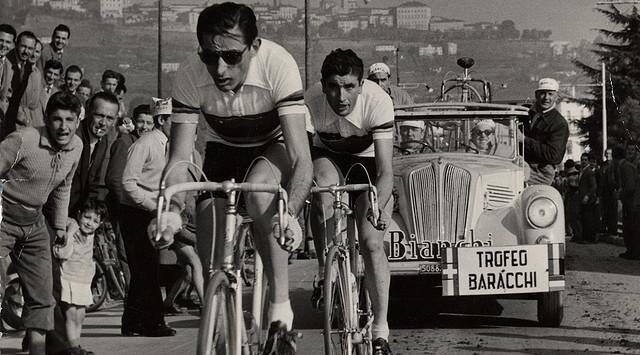
Alpe d’Huez (French Alps)
Why it’s legendary: the switchbacks, the crowds, the theatre. Alpe d’Huez is the Tour’s most famous climb and one of the most iconic roads in cycling.
What to expect: a steady, sustained climb where pacing matters more than surges. The hairpins give natural “targets” to break the ascent into manageable chunks.
How to ride it well: pick a gear that lets you spin comfortably, settle into a rhythm early, and resist going too hard in the first half. Save your best effort for the final kilometres.
Col du Tourmalet (Pyrenees)
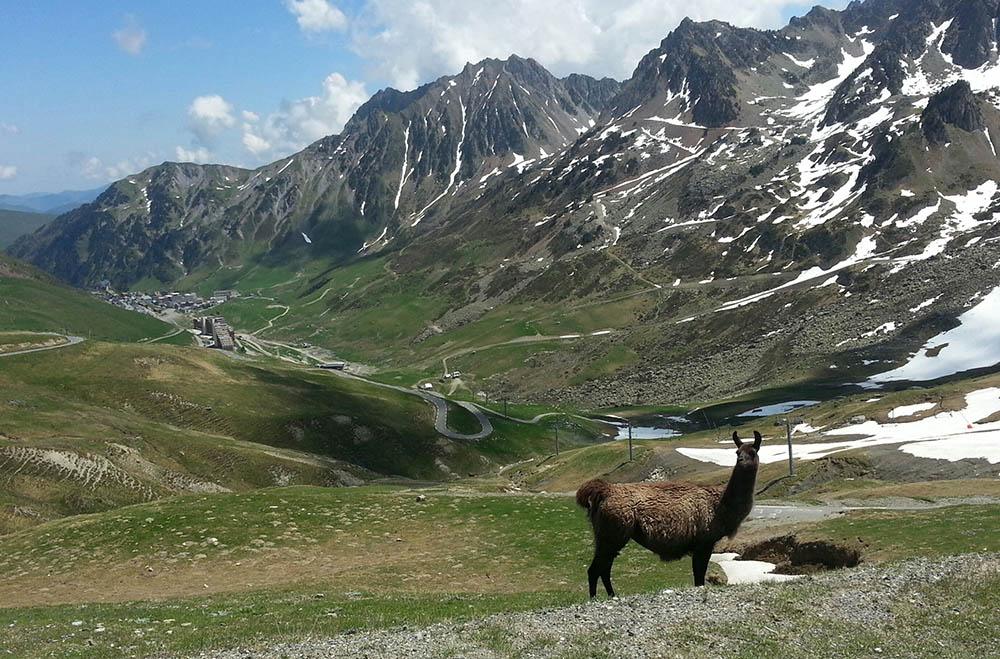
Why it’s legendary: the Tourmalet is the most frequently used major pass in Tour history and the spiritual heart of the Pyrenees. It’s the climb riders and fans measure themselves against. :contentReference[oaicite:0]{index=0}
What to expect: a long, serious ascent where the gradient and weather can wear you down. The summit feels stark and historic—pure Tour de France atmosphere.
How to ride it well: ride conservatively for the first half, fuel early, and keep effort steady. On hot days, hydration is everything; on cooler days, pack layers for the descent.
Mont Ventoux (Provence)
Why it’s legendary: Ventoux feels like a mountain that stands alone. It’s not the most frequently climbed in the Tour, but its myth is outsized—winds, exposure, and an otherworldly summit landscape. :contentReference[oaicite:1]{index=1}
What to expect: a climb of attrition. The upper slopes are exposed, and conditions can change quickly.
How to ride it well: treat it like an endurance effort—steady pacing, consistent fuelling, and respect for the weather. Pack a gilet or jacket even on warm days; the descent can be cold.
Col du Galibier (French Alps)
Why it’s legendary: the Galibier is a Tour monument—high, dramatic, and deeply tied to the race’s alpine identity. :contentReference[oaicite:2]{index=2}
What to expect: big-mountain riding: long distances, thinner air, and a summit that feels properly alpine.
How to ride it well: pace the lower slopes and keep something in reserve for the upper section. Descend with care—weather and traffic can be unpredictable.
Col d’Aubisque (Pyrenees)
Why it’s legendary: one of the Tour’s classic Pyrenean tests—scenic, storied, and often raced aggressively.
What to expect: a sustained mountain effort with rewarding views and classic Tour geography.
How to ride it well: stay smooth, don’t chase gradients, and leave extra margin for the descent.
Col d’Izoard (French Alps)
Why it’s legendary: iconic Tour terrain and distinctive landscapes—an ascent that feels like “real” cycling history.
What to expect: a climb with character: changing scenery, changing sensations, and a summit that feels earned.
How to ride it well: ride your own tempo and treat the last third as the “real” climb.
Brutal modern-era tests (the climbs that break rhythm)
If the classics are about history and theatre, these climbs are about difficulty—long, steep, or altitude-heavy ascents that have reshaped modern Tour mountain stages.
Col de la Loze (Savoie)
Why it matters: a modern giant—high altitude, long climbing, and sections that punish poor pacing.
How to ride it well: treat it like a long-day project: eat early, pace by effort not speed, and keep your easiest gear for the steepest ramps.
Col du Granon / high-altitude summit finishes
Why it matters: altitude changes the game. Even strong riders feel the difference when the air thins.
How to ride it well: keep intensity controlled and avoid repeated surges. Steady wins at altitude.
Perfect “first Tour climbs” (high reward, manageable pain)
Not every Tour climb needs to be a once-in-a-lifetime sufferfest. These are great if you’re building confidence:
Col de Peyresourde (Pyrenees)
Why it’s a great first Tour climb: classic Tour history and a steady rhythm—hard enough to feel significant but manageable with sensible pacing.
Plateau des Glières (Alps)
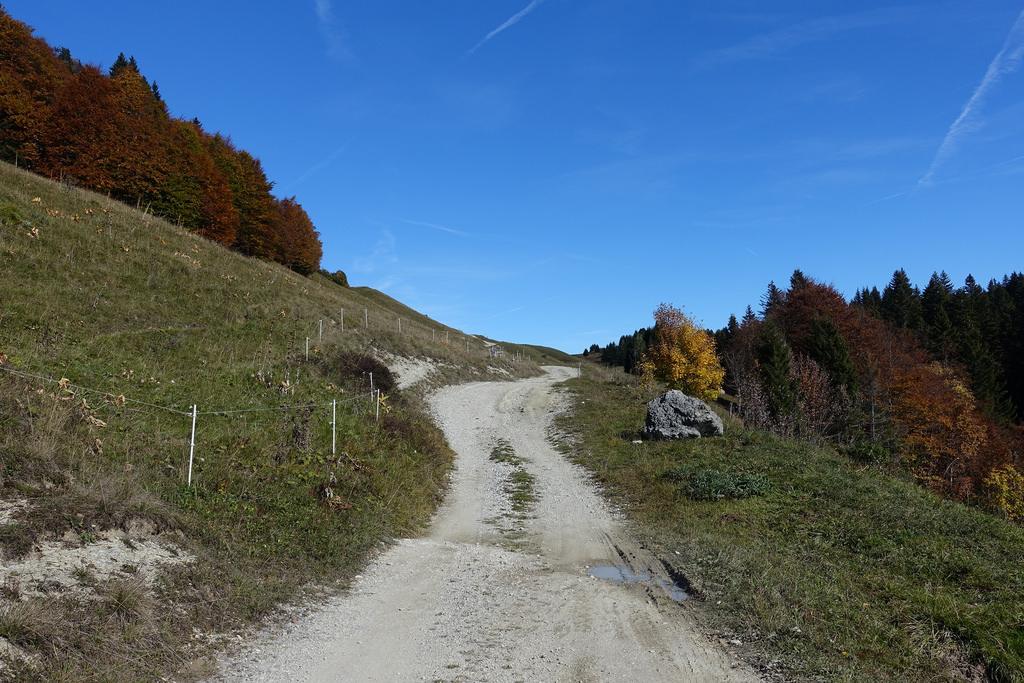
Why it’s memorable: steep, punchy, and distinctive—an ascent with personality and a summit that feels different from the classic paved giants.
Practical tips for riding Tour climbs like a “mere mortal”
- Gearing matters: most people enjoy these climbs more with an easier gear than they think they need.
- Pace by effort: keep it conversational early; the climb will come to you.
- Fuel early: eat and drink before you feel you need to.
- Respect descents: most mistakes happen on the way down—brake early, stay smooth, and give yourself margin.
- Plan the day: start early, check weather, and pick a base town so you’re not driving long distances post-ride.
Quick note on insurance (bike vs travel)
If you’re planning a Tour-climbs trip with your own bike, it’s important to understand that there are two different types of insurance involved. One policy is designed to protect the bike itself (for example theft or accidental damage), while a separate travel policy is designed to protect you as the traveller—covering things like medical treatment abroad, cancellation, and travel disruption.
Pedal Cover’s bicycle insurance and home insurance for cyclists are designed around how cyclists actually own and use bikes.
Our travel insurance focuses on the traveller (medical expenses abroad, cancellation/curtailment, and travel disruption).
Always check the policy wording and what’s included/excluded before you buy.
FAQs: Tour de France climbs
What are the best Tour de France climbs of all time?
The climbs most consistently viewed as “all-time greats” include Alpe d’Huez, Col du Tourmalet, Mont Ventoux, Col du Galibier, Col d’Aubisque and Col d’Izoard—each iconic for history, difficulty, and the experience of riding them.
Which climb appears most often in the Tour de France?
The Col du Tourmalet is widely cited as the most frequently used major pass in Tour history. :contentReference[oaicite:3]{index=3}
When is the best time of year to ride Tour climbs?
Late spring to early autumn is usually best. For quieter roads and cooler temperatures, start early in the day and consider shoulder-season riding, while still checking weather and road conditions.
What gearing do I need for Tour de France climbs?
Most amateur riders enjoy these climbs more with easier gearing than expected. If you’re unsure, choose a setup that lets you spin comfortably at a steady effort for a long time.
Are Tour climbs safe to descend?
They can be, but descents demand caution. Conditions, traffic, and fatigue matter. Brake early, stay smooth, and leave a margin—especially if the road is damp or visibility is poor.
Does travel insurance cover my bike?
Travel insurance is typically designed to cover the traveller (for example medical expenses abroad, cancellation/curtailment, and travel disruption). If you’re travelling with a valuable bike, consider separate bike cover and always check the policy wording for exact inclusions and exclusions.