There’s something special about exploring the outdoors by bike—combining the freedom of cycling with the adventure of camping. Bikepacking has become one of the most exciting ways to travel, offering a unique blend of self-sufficiency, exploration, and connection with nature. Whether you’re planning a weekend escape or dreaming of a longer journey, this guide will help you get started with confidence.
What is Bikepacking?
Bikepacking is self-supported, multi-day cycling that blends elements of mountain biking, touring, and backpacking. It’s about carrying everything you need on your bike, whether you’re riding off-road trails, quiet country lanes, or a mix of both. There are no strict rules—your adventure can be as simple as an overnight trip close to home or as ambitious as a cross-country expedition.
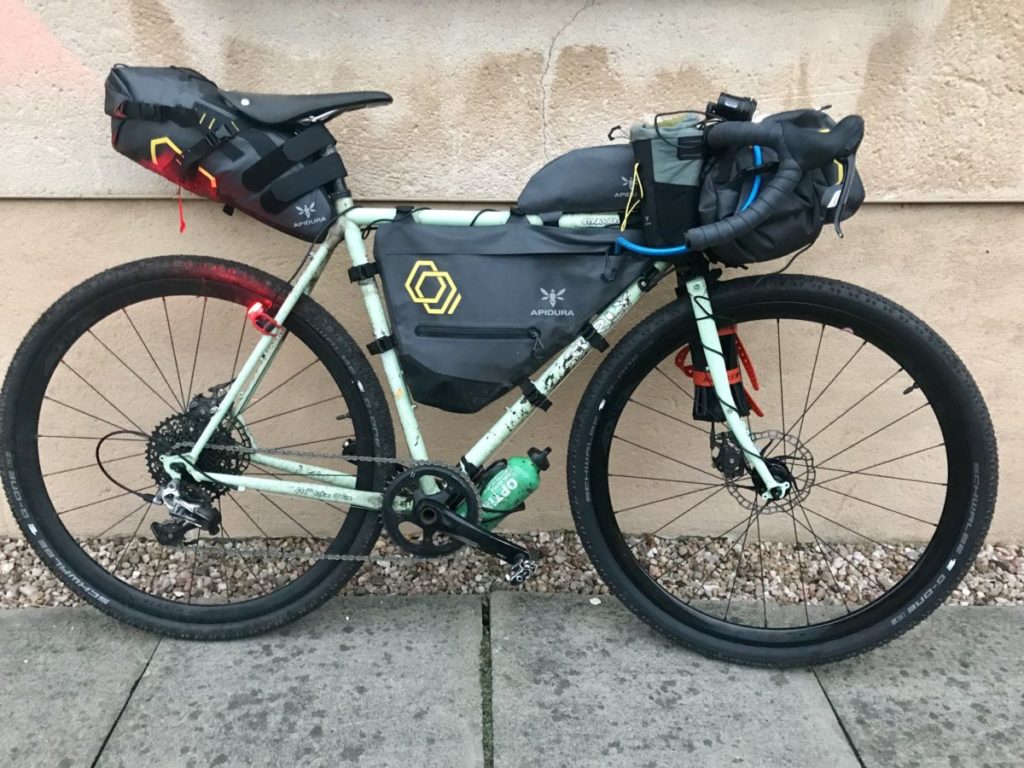
Unlike traditional cycle touring, bikepacking often uses lightweight bags attached directly to the bike frame, allowing for more off-road capability and flexibility. The key is self-sufficiency: you carry your own shelter, food, and gear, and you decide how far and where you want to go.
What Do You Need to Go Bikepacking?
Getting started doesn’t require a specialist bike or expensive kit. Here’s what you need to consider:
1. The Bike
- Use what you have: Most bikes can be adapted for bikepacking. Comfort is key—adjust your position for long days in the saddle, and consider wider tires for mixed terrain.
- Check your setup: Lower tire pressures, double-wrapped bar tape, and adjusted suspension (if you have it) can all improve comfort and control.
2. Luggage and Packing
- Frame bags, seat packs, and handlebar rolls are popular for keeping weight balanced and your bike nimble. Panniers and racks work too, especially for road-based trips.
- Pack light: Only bring what you need. Every extra item adds weight and affects handling.
- Lights and power: Consider dynamo lights or power banks for charging devices on the go.
3. Sleeping and Shelter
- Tent vs. bivvy: Tents offer more protection but are bulkier; bivvy bags are lighter and more minimalist. Choose based on your comfort and the weather.
- Sleeping mat and bag: Invest in a good sleeping mat for insulation and comfort. Match your sleeping bag to the expected temperatures.
4. Cooking and Food
- Stove and cookware: A compact camping stove and lightweight cookware let you prepare hot meals and drinks.
- Plan your meals: Bring easy-to-cook foods and snacks. Test your nutrition choices on shorter rides first.
5. Clothing and Safety
- Layer up: Pack for the conditions—weather can change quickly. Include waterproofs, warm layers, and sun protection.
- Tools and spares: Bring a multi-tool, spare tubes, patch kit, pump, and basic spares. Don’t forget a first aid kit tailored to your route.
It’s easy to spend a lot on gear, but for your first trip, improvise with what you have. As you gain experience, you’ll learn what’s worth upgrading.
How to Plan Your First Bikepacking Adventure
Planning is part of the fun! Here’s how to get started:
Choose Your Route
- Start small: Try an overnight trip close to home before tackling longer journeys.
- Use route planning tools: Platforms like Komoot, Strava, and Garmin Connect help you map routes and estimate distances. Consider terrain, elevation, and resupply points.
- Check access and camping rules: In the UK, wild camping is restricted in many areas. Use Ordnance Survey maps to find legal spots, or plan to stay at campsites or hostels.
Solo, Group, or Guided?
- Solo trips offer flexibility and solitude, while group rides can be more social and supportive.
- Guided tours are a great way to learn the basics and meet other bikepackers.
Pack and Prepare
- Make a checklist: Pack a few days in advance to avoid forgetting essentials.
- Test your setup: Do a shakedown ride with your loaded bike to check comfort and handling.
- Leave no trace: Respect the environment—take all rubbish with you and use toilets or dig a hole well away from water sources.
Extra Tips for a Smooth Bikepacking Experience
- Train for consecutive days: Build up your endurance with back-to-back rides before your trip.
- Stay flexible: Weather, mechanicals, or tired legs may require you to adapt your plans.
- Enjoy the journey: Bikepacking is about the experience, not just the destination.
For more inspiration and practical advice, check out our guide to travelling abroad with your bike and our Bike Box Guide for transporting your bike safely.
FAQ
Do I need a special bike for bikepacking?
No, most bikes can be adapted for bikepacking. Comfort and reliability are more important than having the latest gear.
How do I choose a bikepacking route?
Start with short, local routes and use mapping tools to plan. Consider terrain, distance, and available resupply points.
What’s the best way to pack my gear?
Distribute weight evenly using frame, seat, and handlebar bags. Keep heavier items low and centered for better handling.
Is wild camping allowed in the UK?
Wild camping is restricted in most of England and Wales but is generally permitted in parts of Scotland. Always check local regulations and seek permission where required.
How can I keep my bike and gear safe while bikepacking?
Use a quality lock, avoid leaving your bike unattended in public places, and consider insurance for theft and accidental damage.
Cycle travel insurance protects you for medical emergencies and travel disruption abroad, while bicycle insurance and home insurance for cyclists keep your bike covered for theft and accidental damage. Check your policy details to know exactly what’s included and excluded.